Q: “Why does my child fall apart right after school but seems fine during the day?”
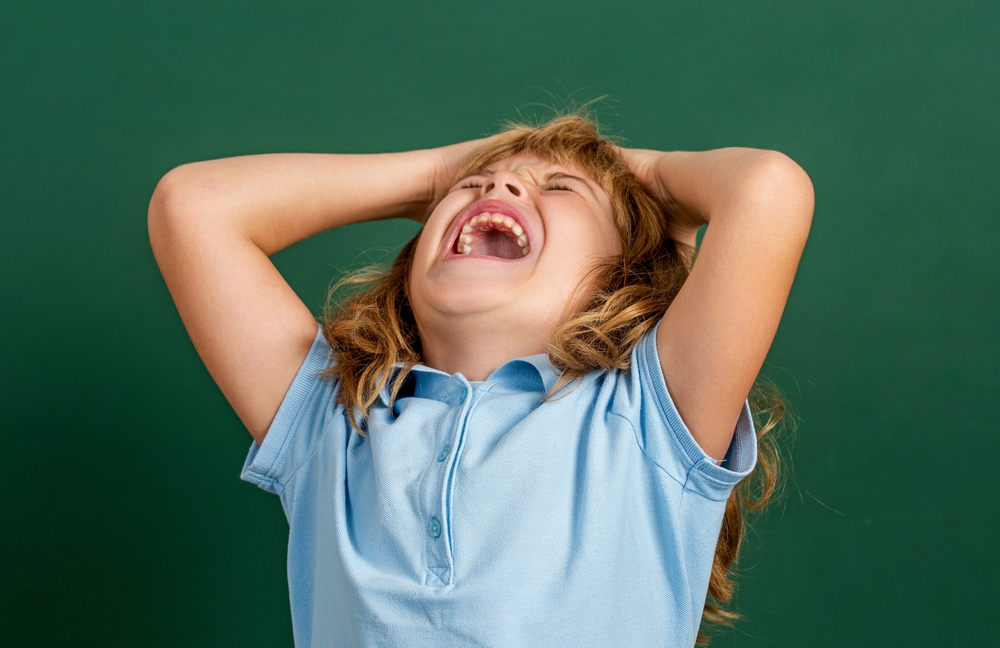
A: You child “loses it”, when they come home, because you are their safe place.
Maybe you’ve spoken to their teacher who says “but your child is always so well-behaved in class”.
Being in a classroom every day can feel overwhelming for a sensitive child. Your child has been working really hard to hold it together all day. Their nervous system is a bit like a tightly coiled spring that keeps tightening, when they feel stressed. This stored tension is released when they come home, to a place where they feel safe enough to let go.
They have just spent a full day with a group of other children, mostly in the confined space of a classroom.
Add to this:
- children with challenging behaviours and learning differences
- varying levels of developmental maturity in their classmates
- differences in ability to regulate emotions
- the need to follow rules
- fear of getting into trouble
- pressure to achieve
- making friends and socialising
It takes a lot of energy to stay emotionally regulated in such an environment. Many adults would struggle with this, let alone children with nervous systems that have not yet fully matured.
Q: How do I help my child from “losing it” every afternoon after school?
A: Here are my top tips to help with after school meltdowns
- A healthy snack, yogurt or cheese, fruit, raw veggie sticks, crackers and peanut butter, a glass of water – they haven’t eaten for a few hours and are probably hungry.
- Physical activity and outdoor play might be the answer for some children, allowing them space to “run off” some of the tension that has built up during the day
- Others may prefer quiet time alone to zone-out, de-stress and self-regulate their nervous system
- Let them know you’re glad to see them, and that you love them for who they are, and not for what they achieve (or not) at school
- Offer sensory comfort – like a big bear hug, or soothing words
- Empathy and understanding – your child has had a big day and might just need to feel safe, seen, heard and understood
- A listening ear and time to debrief, without judgement or advice. This is not the time to be asking questions – their nervous system needs to settle first.
- Once your child is calm you can help them to understand their big feelings, finding words or other safe ways to express what they are experiencing
- Belly breathing, with long, slow exhalations is a good way to release tension – especially if you do it together
Q: I’m feeling triggered by my child’s after school meltdowns. What Can I do?
A: Your child’s behaviour is their way of asking for help with processing some really big feelings.
It’s easy to feel triggered when your child is having a meltdown, particularly when it happens every afternoon after school. Your child’s behaviour is not “bad”, but in fact it is their way of asking for help with some really big feelings.
Notice what is happening in your body. Maybe this is bringing up uncomfortable memories of your own school experiences?
If you are feeling stressed:
- Take a deep breath (or two), followed by long, slow exhalations. This will help bring your nervous system back to a more regulated state
- Come down to their level, make eye contact, and tune in to what they are experiencing. You can understand your child’s meltdowns best by “stepping into their shoes”, seeing the world from a child’s perspective.
- If you are struggling to self-regulate, taking some parent time-out can help. Make sure your child is safe, and let them know you just need to step out of the room for a few moments.
There is no harm in asking for help if you feel you are struggling. Counselling and parent coaching offers a time and place where you can feel heard and supported. Working together, you can learn strategies for “being with” your child in their distress, as well as exploring the roots of their behaviour. You may also find yourself addressing concerns arising from your own childhood.