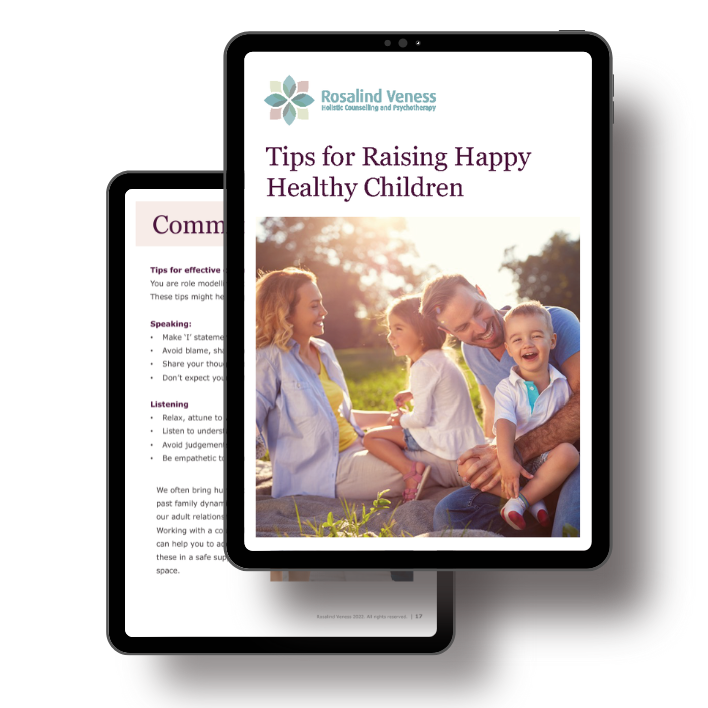
Mornings can feel surprisingly difficult with young children. What seems like a simple transition into the day can quickly turn into resistance, tears, or frustration—for both of you.
Part of the reason is that children need time to move from the world of sleep into the reality of their day.
The transition from sleep to waking
Young children naturally live very close to their imagination. You’ll often see this in their play, where the line between reality and imagination is still soft and fluid.
When they wake up, they’re not instantly ready for the demands of the day. They need time to gently transition from that dreamy state into full wakefulness.
When we expect too much too quickly, mornings can become stressful.
How to make mornings feel easier
A few small changes can make a big difference:
- Start your day before your child wakes
If possible, give yourself even 10 to 15 minutes of quiet time to settle into the day - Wake your child gently
Allow them a few minutes to stretch, cuddle, or simply be before asking anything of them - Create a consistent morning routine
Predictability helps children feel safe and reduces resistance - Avoid rushing where you can
Pressure often leads to pushback - Find moments of playfulness
A light, playful tone can shift the whole mood of the morning - Connect before directing
Gentle eye contact and a calm voice can help your child feel grounded
Notice your own state
Children are very sensitive to the emotional tone around them.
If the morning begins with stress or urgency, they will often pick up on that and respond in the same way.
Being aware of your own stress levels—and taking a slow breath when needed—can help create a calmer start for everyone.
🌿 A gentle next step
If mornings are regularly feeling tense or difficult, you’re not alone. Small, steady changes can help—but they can take time.
If you’d like support finding a rhythm that works for your family, counselling and parent coaching can offer a calm space to explore what’s happening and create a more peaceful start to the day.