
Why Your Child Falls Apart After School (And Seems Fine During the Day)

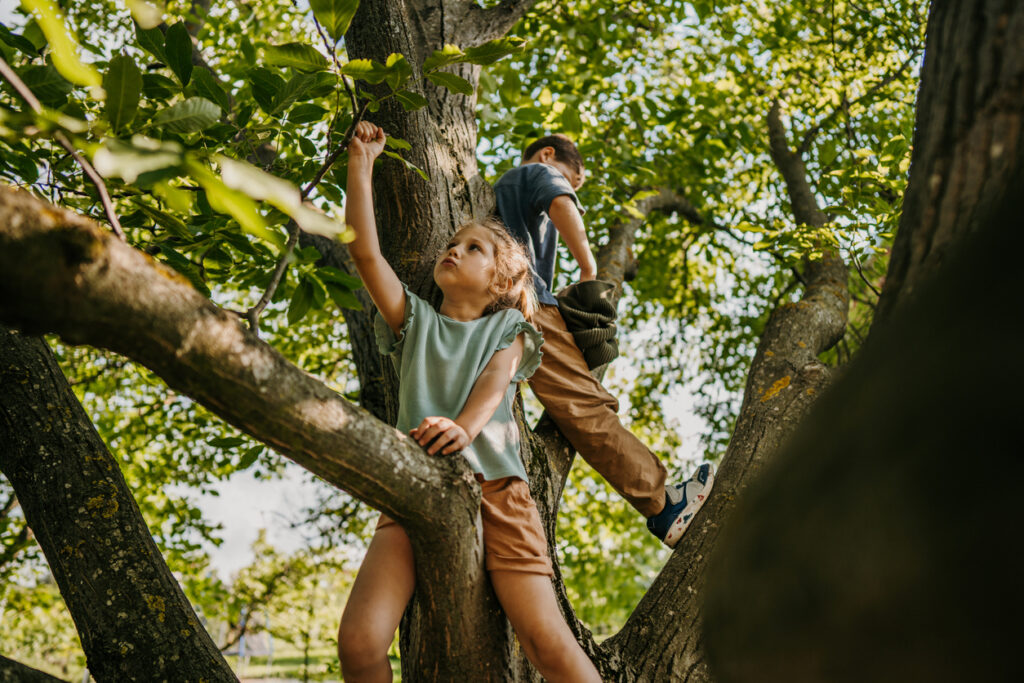
Anxious child at school, head back, hands on her head, yelling in frustration.

It can be confusing—and even worrying—when your child falls apart when they come home from school.

You may have even spoken to their teacher and heard, “They’re so well-behaved in class.”

So what’s going on?


You are their safe place

When your child “loses it” after school, it’s not a sign that something is wrong at home.

It’s actually the opposite.

Your child feels safe enough with you to finally release everything they’ve been holding in all day.


Holding it together takes energy

For many children—especially sensitive ones—the classroom can feel overwhelming.

Throughout the day, they are:

  • Following rules
  • Managing expectations
  • Navigating friendships
  • Coping with noise and stimulation
  • Trying not to get into trouble
  • Working to achieve academically

All of this requires a huge amount of emotional energy.

Their nervous system can become like a tightly coiled spring—holding tension in, moment by moment.

When they get home, that tension needs somewhere to go.


Why it all comes out at home

Home is where your child can finally relax.

It’s where they don’t have to hold it together anymore.

So the tears, the anger, the overwhelm—it’s often just a release of everything that’s built up during the day.

Even many adults would struggle in that kind of environment. For children, whose nervous systems are still developing, it can be especially intense.


A gentle next step

If your child is regularly overwhelmed after school, you’re not alone. Understanding what’s happening beneath the surface is an important first step.

If you’d like support exploring your child’s needs more deeply, counselling and parent coaching can offer a calm, supportive space to help you both navigate this more easily.

 

These might also be helpful

👉Is it anxiety, ADHD or learning difficulties

👉After School Meltdowns and School Refusal: Understanding and Supporting your Child

👉Why is my Child Struggling at School?

All articles are based on personal in-clinic experience, and are supported by current research into brain science. They have been written for general education purposes and do not constitute personal advice. If you are a parent, I encourage you to seek professional support.

Share this post

About Rosalind

Rosalind is a PACFA Registered Clinical Counsellor, with over 20 years experience in working with children with challenging behaviours and learning differences. She brings an holistic, or whole person approach to supporting parents, helping them raise children able to realise their potential. to live happy and successful lives. Appointments are available in person at Moruya on the NSW south coast and online Australia-wide.

Free e-book download

Tips for Raising Happy Healthy Children

LATEST NEWS

More Updates

Learning and Behaviour

Looking Beyond a Diagnosis: When your Child is Struggling at School

It can be distressing to watch your child struggle at school. You know they are intelligent, capable and trying their ...

Learning and Behaviour

My Child is Trying Hard at School, but still Falling Behind

It’s worrying when you can see your child is doing their best, but still falling behind with reading, writing and ...

Learning and Behaviour

A Developmental Approach to Dyslexia

When their child is struggling to read, parents often worry that their child might have dyslexia. Briefly, dyslexia is a ...

Showing Slide 1 of 4