
Starting school is an exciting time for you and your child, and learning will be much easier if they are developmentally ready. children develop according to their own agenda, and simply being the accepted age for starting school my not mean they are developmentally ready for academic learning.
Learning, whether in the classroom, or elsewhere, is based on the ability to take in and process information through the senses. This sensory processing is supported by a strong foundation of motor skills developed during your child’s first seven years. It is this early skill development that will prepare them for lifelong learning.
Time spent building strong foundations of sensory and motor skills in your child’s early years will pay dividends later on.
How do we Learn?
Learning happens when we are relaxed and able to take in and process new sensory information.
Children who struggle in the classroom often show signs of anxiety, becoming restless and easily overwhelmed. Feeling threatened, their nervous system flips into an instinctive fight/flight survival mode. When this happens, learning becomes very difficult as they struggle to focus and pay attention.
Once your child gets behind it can be very difficult to catch up. Self esteem and confidence is damaged when they realise they are lagging behind their friends.
Since 2005 I have been supporting children with learning and behavioural challenges, helping to “fill in the gaps” in their early development. I would much prefer to help before your child starts to struggle in the classroom, and hopefully avoid any unnecessary anxiety and frustration.
Prepare Your Child for Learning to Read
Learning to read is a complex process, that is supported by a good foundation of early development. Your child needs to be able to sit still, maintain balance, move their eyes together across the page, and listen all at once. Learning is so much easier when your child is developmentally ready.
Well-developed auditory or listening skills help your child to block out the background sounds, and focus on the teacher’s voice. It also helps them to interpret the sounds connected to the written symbols on the page.
Reading also requires good vision and visual motor skills. This means that both eyes can move together smoothly across a page of writing. They also need to be able to converge, and focus on a single point on the page. Then your child needs to be able to decode these shapes into sounds and words, and make meaning from them.
Children who struggle with learning to read are often described as being dyslexic. Screening for developmental delay invariably reveals gaps in early sensory motor development. These may include body awareness, balance, listening, visual motor and body coordination.
The Importance of the First Seven Years
Reading readiness does not come from computer programs or workbooks. It comes from being given time to grow and develop naturally, from childhood experiences rich in sensation and movement. This happens naturally through play and lots of outdoor physical activity, supported by close relationships with parents and carers.
Time spent playing with your child and snuggling together to share stories are an important part of your child’s early years. It is through listening to stories that your child learns language and how to make meaning from speech. They also learn to recognise changes in vocal tone, and how this can represent different emotions.
Your child also needs time to run, jump, ride bikes, swim, climb trees, to develop strong muscles throughout their body. These strong muscles will help them to sit still and focus in the classroom. Craft activities will help to strengthen those little hands in preparation for handwriting.
Rhyming and Clapping Games Support Reading
Rhyming and clapping games are fun and are another way to prepare your child for the classroom. They are learning to connect, build memory and physical coordination skills, while having fun.
While it may seem simple, playing jig-saw puzzles, cards and board games will help them learn to take turns, as well as developing memory and spatial awareness.
All of these activities help to build new pathways in your child’s brain to support learning.
Early Preparation
Lots of play and safe connections will help you raise happy, healthy children, able to realise their potential and find their place in the world.
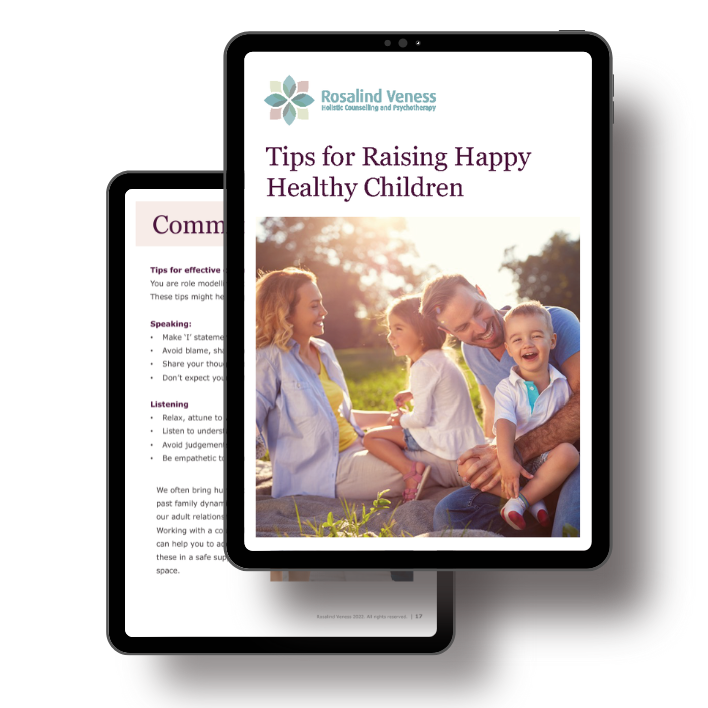
To learn more about how to support your child’s early development, download our FREE e-book Tips for Raising Happy, Healthy Children