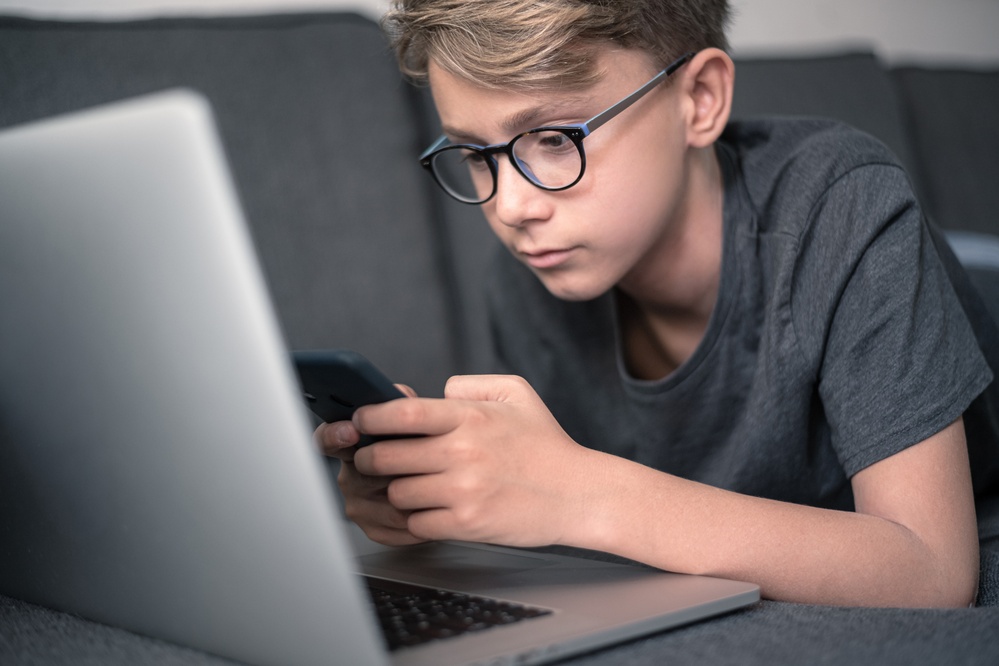
Screens are everywhere.
For many parents, television, tablets and phones can provide a few precious moments to catch their breath, prepare dinner, answer messages, or simply enjoy a cup of tea while it’s still warm.
Parenting young children is demanding, and most of us have relied on screens at some point.
So how much screen time is too much?
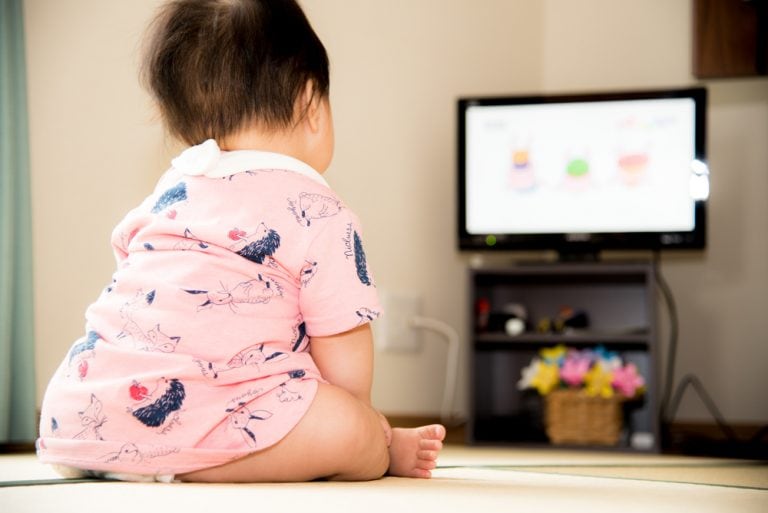
The question may not simply be what children are watching, but what opportunities they may be missing while sitting in front of a screen.
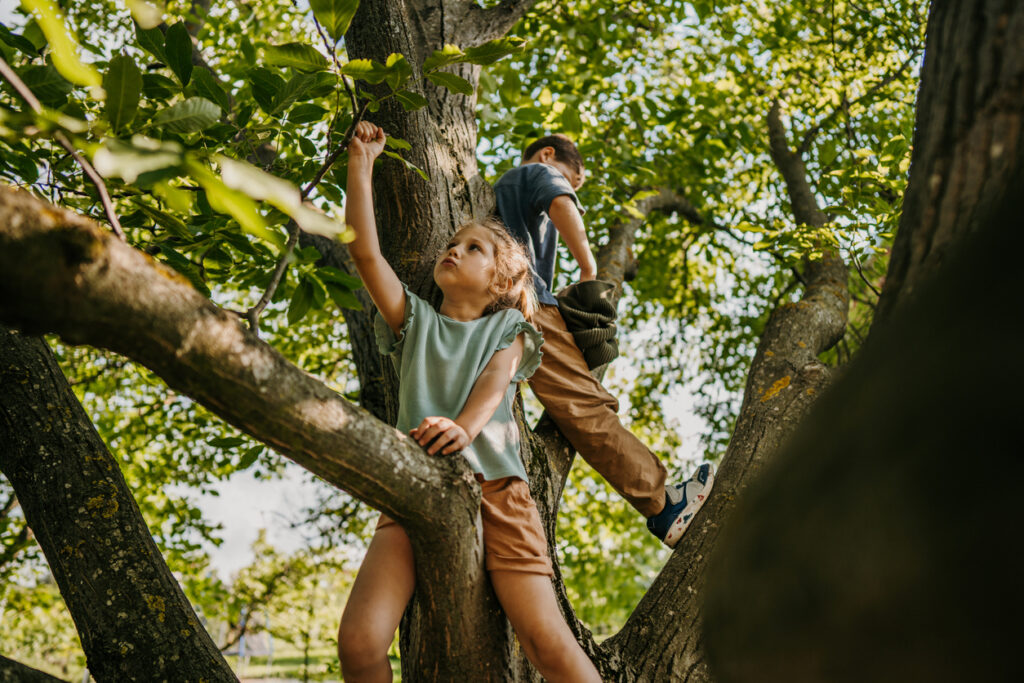
In the early years, children learn through movement, play, exploration and relationships. These everyday experiences help build the foundations for all later learning – social, emotional, as well as in the classroom.
When we understand what young children need most, it becomes easier to make choices that support their early development.
Natural Stages of Child Development
Child development happens in stages, like building blocks. The first three years are vital to your child’s early development in so many ways.
Through movement, such as rolling, tummy time, creeping and crawling they are building the basis for school readiness. Learning and behavioural difficulties, such as dyslexia and ADHD can often be linked back to gaps in early development.
Since 2005, I have been assessing children who struggle with learning and behavioural difficulties, looking for gaps in their early development. I have then been offering an individualised 1:1 program to “fill in the gaps” of these missed or incomplete early stages.
This is done by repeating the early stages of rolling and crawling, gradually moving to balanced upright movements. Along the way, the children are also integrating early sensory skills, such as vision, balance and listening, as well as building trust in relationships and social connection.
When there are gaps in the early foundations, children often struggle both in school, and socially. As a result, secondary issues such as poor self esteem and frustration often develop. I would much prefer to help parents support their children’s early development, reducing the chance of later problems.
Floor Play and Tummy Time
Watching my granddaughter was an absolute delight, as she instinctively knew what her body needed to do. During floor play and tummy time, she learnt to go from lying on her tummy and lifting her head, to early rolling movements.
At around 6 months she was up on her hands and knees, rocking in preparation for crawling.
From Crawling to Walking
It has been said that babies need to do 50,000 crawling steps.
Crawling helps your baby build important foundations for learning, building strength and rhythmic coordination, and developing self esteem through being able to explore the world.
At around 8 months your baby will start to pull herself up on furniture, getting ready to walk. Before she walks, though, she will cruise around the furniture, slowly building motor and coordination and confidence, in preparation for taking her first independent steps.
Language and Listening
Talking to your baby builds her ability to listen and understand sounds. She began “hearing” the vibrations of your voice before she was born, and her ears are naturally attuned to these sounds. She is also learning to recognise vocal tones, and will know intuitively when you are happy, or if you are feeling stressed. This is not the same as the electronic sounds coming from your TV screen.
This is not the same as the electronic sounds coming from your TV screen.
Having you by their side helps your baby learn to understand emotions, knowing you are there to protect them.
Baby will watch your face to see how you are reacting, and will follow your lead.
They also need you to empathise when they are struggling, and will recognise these qualities in your voice and your actions.
Screen time will not teach them this.
Development is Instinctive
All of these stages are important. They happen instinctively and, given the opportunity, your baby will know what to do.
They do not need any fancy gadgets or walking equipment, just your presence and loving support is enough as they explore their world.
I remember how hard it was to come home tired from a day at work, and have to interact with a small child, when all I wanted to do was to sit down and have a rest.
Circle of Security Parenting Program
First time parenting is not always easy, and many parents struggle with finding confidence and developing their ability to “tune in” to baby’s needs.
Support is available for parents who are looking for answers. Many have found the Circle of Security parenting classes very helpful.
This is an internationally recognised program designed to help parents build closer relationships with their infants.
The Good News
The good news is, it’s never too late to change, and it’s OK to seek help if you feel you are struggling.
So, to answer the initial question, “should I let my baby watch TV?”, the answer is up to you, but be aware that the issue is not only about what they are doing, but is just as much about what they are not doing.
I remember struggling with the lure of digital devices when my child was a toddler – we owned a video shop!
You’re welcome to reach out if any of this resonates with you.