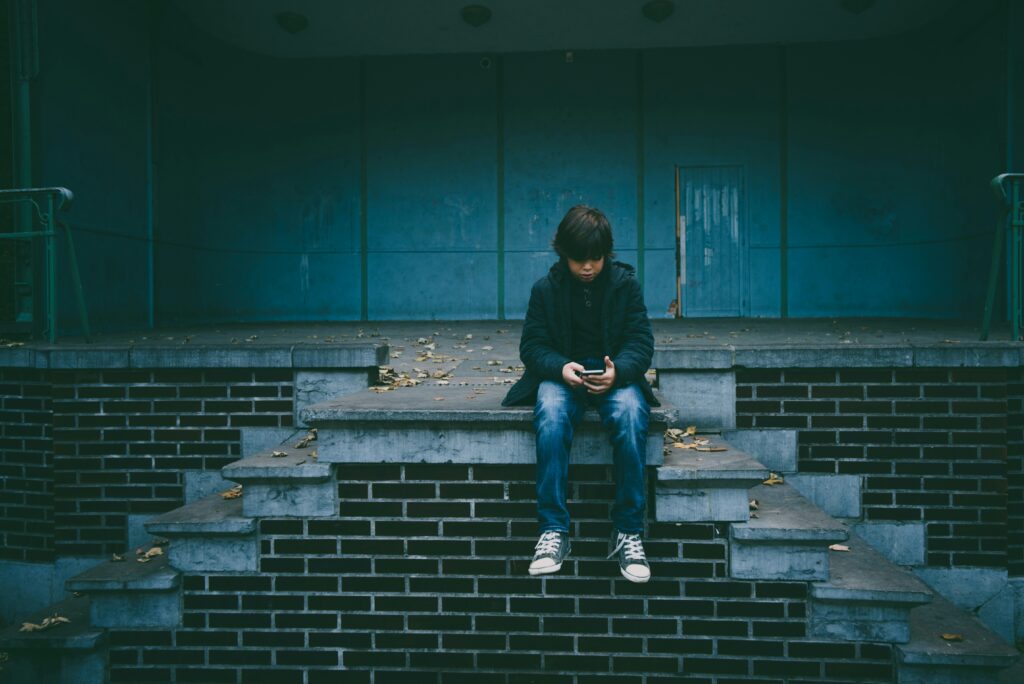

A gentle understanding of what bullying can look like.
Bullying can take many forms, and it’s not always easy to recognise. The clues are often in your child’s behaviour, particularly any sudden or unexplained changes – withdrawal or acting out.
Bullying Involves Power
Bullying often comes from an imbalance of power.
It is repeated, intentional behaviour that causes harm—emotionally, physically, or both.
Common Types of Bullying
Physical Bullying
- hitting, pushing, tripping
- damaging belongings
Verbal Bullying
- name-calling
- teasing, taunting
- put-downs or ridicule
Social Bullying
- exclusion from groups
- spreading rumours
- damaging friendships
Cyber Bullying
- hurtful messages or emails
- sharing embarrassing content
- online exclusion or threats
Not All Harm Is Obvious
Some forms of bullying—especially social or emotional—can be harder to see.
But they can be just as harmful.
A Gentle Next Step
Helping your child understand what bullying is can empower them to recognise it and seek support.
You might also find it helpful to explore:
Awareness is the first step toward change.
Support Services (Australia)
- Lifeline – 13 11 14
- Kids Helpline – 1800 55 1800