Children don’t always tell us directly when something is wrong. We can, however, learn how to read the signs that your child might be experiencing bullying
Their behaviour often brings us the message.
If your child is being bullied, you may begin to notice changes—sometimes subtle, sometimes more obvious.
What to Look For
You might notice:
- unexplained bruises or physical injuries
- damaged or missing belongings
- nightmares or trouble sleeping
- avoiding school or activities they once enjoyed
- frequent complaints of headaches or tummy aches
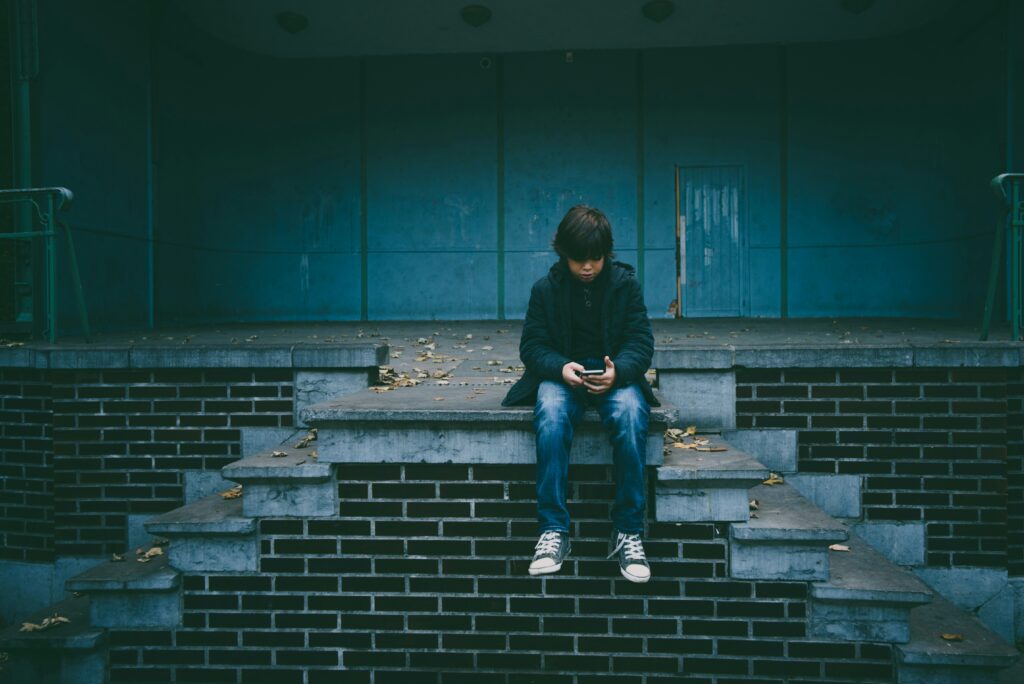
- becoming withdrawn or secretive
- having few or no friends
- sudden anger, aggression, or emotional outbursts
These changes can be your child’s way of showing that something doesn’t feel right.
Behaviour Is Communication
When children are struggling, they don’t always have the words to explain what’s happening. Sometimes, what may look like “misbehaviour” can actually be a sign of distress.
It’s important to stay curious and gently explore what might be underneath the behaviour.
Trust Your Instincts
As a parent, you know your child best, so when you notice changes, not matter how small, it’s worth taking a closer look.
Even small shifts in behaviour can be important.
A Gentle Next Step
If you’re concerned about your child’s behaviour, creating a safe, non-judgemental space to talk (and listen) can often help.
You might also find it helpful to read more about:
 Bullying – ways to help your child at home
What bullying can Look Like – understanding different types
You’re not alone in this, and support is available. If any of this resonates with you, counselling can help to support both you and your child.
This Might Also Help
Understanding Bullying – Gentle Support for Parents and Children
Support Services (Australia)
- Lifeline – 13 11 14
- Kids Helpline – 1800 55 1800