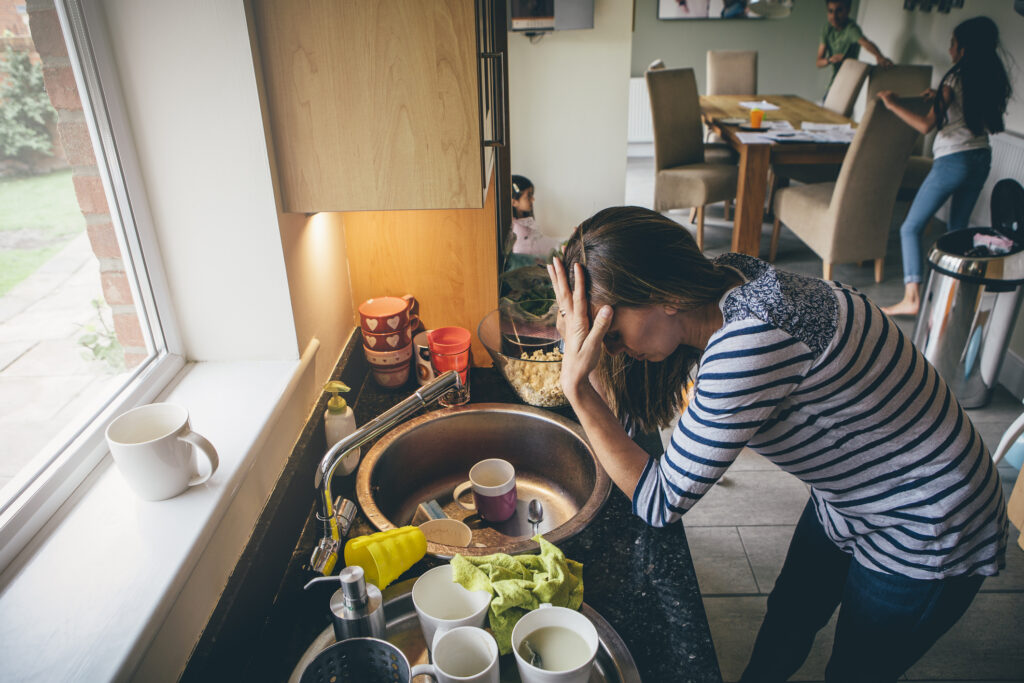
If you are feeling triggered by your child’s after school meltdowns, you are not alone.
Having a child who loses it after school every afternoon, it can be incredibly hard to stay calm.
Your child is asking for help
When children have big emotional reactions, it’s not because they are being “difficult”.
It’s because they are struggling.
Their behaviour is their way of saying:
“I need help with what I’m feeling.”
Notice your own response
It’s worth gently noticing what’s happening for you in those moments.
- Are you feeling stressed or overwhelmed?
- Is something in your child’s behaviour touching on your own past experiences?
These reactions are very human—and very common.
Supporting yourself in the moment
When things feel intense:
- Take a slow breath
Long, slow exhalations can help calm your nervous system - Come down to your child’s level
Eye contact and a gentle presence can help both of you feel more grounded - Step away if needed
If you feel overwhelmed, it’s okay to take a short break—just make sure your child is safe
You don’t have to do this alone
Parenting through big emotions—day after day—can be exhausting.
It’s okay to need support.
Talking with someone who understands can help you:
- Feel heard and validated
- Learn ways to stay present with your child
- Explore what might be getting triggered for you
A gentle next step
If you’re finding these moments difficult to manage, support is available.
Counselling and parent coaching can offer a safe, non-judgemental space to explore what’s happening—for both you and your child—and to find a way forward that feels calmer and more supported.
These might be helpful
👉Is it anxiety, ADHD or Learning Difficulties
👉After School Meltdowns and School Refusal: Understanding and Supporting your Child