Many children struggle at school—not because they aren’t capable, but because they don’t feel safe enough to learn.
When Learning Feels Hard
When your child is struggling at school, the answer isn’t always about trying harder.
You might notice your child:
- struggling to focus
- becoming easily anxious or overwhelmed
- refusing to go to school
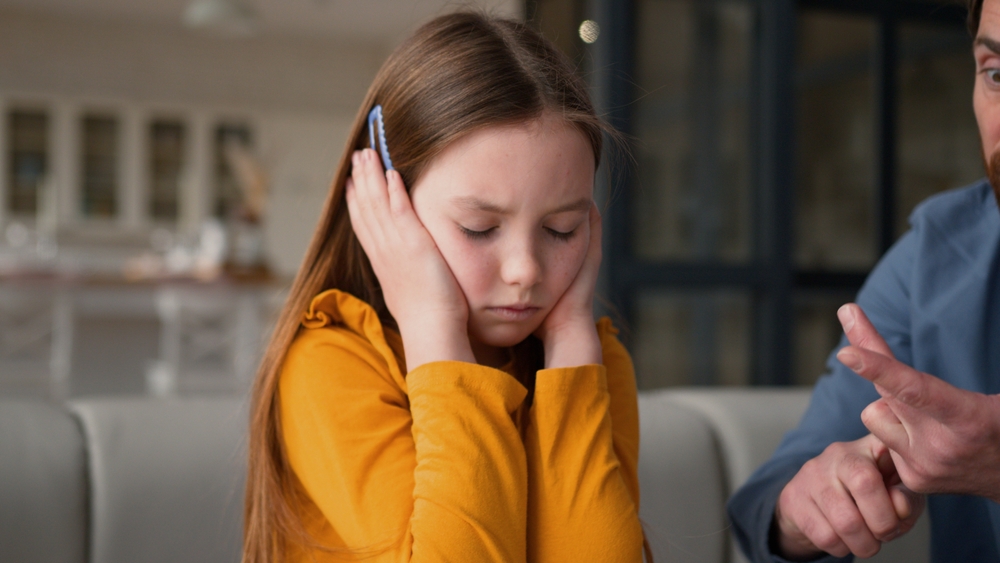
- shutting down or acting out
- “losing it” or collapsing after school
These behaviours can be confusing and stressful for parents.
What’s Really Going On?
Learning isn’t just about effort or intelligence.
It depends on your child’s nervous system, and the way they perceive threat.
When a child feels safe, they can:
- focus
- listen
- take in new information
- connect socially
When they feel overwhelmed:
- their body goes into “high alert”
- they may appear anxious, restless, hyperactive, fidgety
- become isolated and withdrawn
In these times, learning becomes much harder.
Behaviour Is Bringing us a Message
What looks like “difficult behaviour” may actually be a sign that your child is feeling overwhelmed.
Instead of looking for strategies to change their behaviour, we can also ask
- “What is this behaviour telling me?“, and
- “Are they feeling safe enough to learn?”
A Different Way of Understanding
Some children find classroom learning difficult, often underlying this is:
- anxiety or stress
- pressure to achieve
- sensory overload
- early development
- social challenges
Even when we know the environment is safe, their body may be telling them something different.
We can see this in their behaviour.
How You Can Help
Small, gentle changes can make a difference:
- allow time to unwind after school
- focus on building secure family connections
- avoid pressuring them to achieve
- create calm and predictable routines
- offer plenty of free play, outdoors when possible
- relax, have fun and enjoy the time you spend together
When children feel safe they are more open to learning in all its forms:
- social
- emotional
- physical
- academic
- behavioural
You’re Not Alone
If you or your child are struggling, you’re not alone—and support is available.
Understanding what sits beneath the behaviour is a powerful first step.
These Might help
 After School Meltdowns and School Refusal: Understanding and Supporting your Child
Is it anxiety, ADHD or learning difficulties
Learning is More than Just Reading and Writing
If you would like support in understanding your child and finding a way forward, I would be very happy to help.
You’re welcome to give me a call