Developmental readiness for school sets the stage for success throughout their school years. Time spent preparing your child for starting school will pay lasting dividends throughout their entire school career …. and beyond.
Rather than simply reaching a certain age before starting school, it will help if your child is also developmentally ready. We all grow and develop in our own way, and simply being a certain age is not a predictor of school success.
We also need a strong foundation of sensory and motor skills to support learning.
Development Happens Sequentially
Child development happens in a certain sequence, with each stage build on the successful completion of the previous one. At each stage, they are building the foundations for successful classroom learning.
None of this can be rushed, and we each develop at our own pace.
Ever since your child was born, and even before, they were building the early foundations for lifelong learning.
Watching your face when feeding, they were tuning in to your facial expressions, learning to read the meaning in those tiny muscles around your eyes and mouth.
Importance of Floor Play
Remember when they were lying on the floor, gradually progressing from rolling to crawling , then cruising furniture and finally, walking?
They were gradually building their sense of balance, linking balance with vision, and connecting this to early muscle and coordination skills.
Then they started to talk, putting words together to make meaningful sentences. This developed from listening to you speak, and tuning in to the tone of your voice.
All of these were important stages in their early development.
School readiness begins long before a child starts school, developing through everyday experiences from pregnancy, infancy and early childhood.
Since 2005 I have been helping children who struggle in the classroom, “filling in the gaps” in their early development. Rather than waiting until they are struggling, and falling behind their peers, here are some suggestions to help prepare your child for this big new adventure.
We Learn Through our Senses
We take in information through our sense organs – our eyes, ears, nose, mouth and touch, which is supported by our physical development. This information then goes to the brain to be processed, helping us to make sense of the world.
Seen this way, your child’s preparation for starting school is a matter of body awareness as much as reaching a certain age. Good preparation will reap long term rewards, helping them to realise their potential throughout life.
Play as the Foundation for all Learning
Sensory and motor skills develop naturally throughout childhood. All children need is a safe place to explore their world, and a caring adult to share them with.
Some of the most important foundations for learning are built through ordinary moments of play, movement and connection.
You can help prepare your child for starting school by playing together, and having fun.
Sounds too easy, doesn’t it? Children do these things naturally, and will love having you join them.
Here are some ideas for you to try:
Sensations
- Describe what you can see, how you feel
- Close your eyes and touch different textures
- Try different taste sensations
- Notice different sounds, smells
Outdoor Activities
- Walking along a balance beam
- Running, hopping, skipping
- Roll down slopes
- Play catch and throw with a ball
- Rhythm and rhyme, singing together, reciting poems, clapping in rhythm
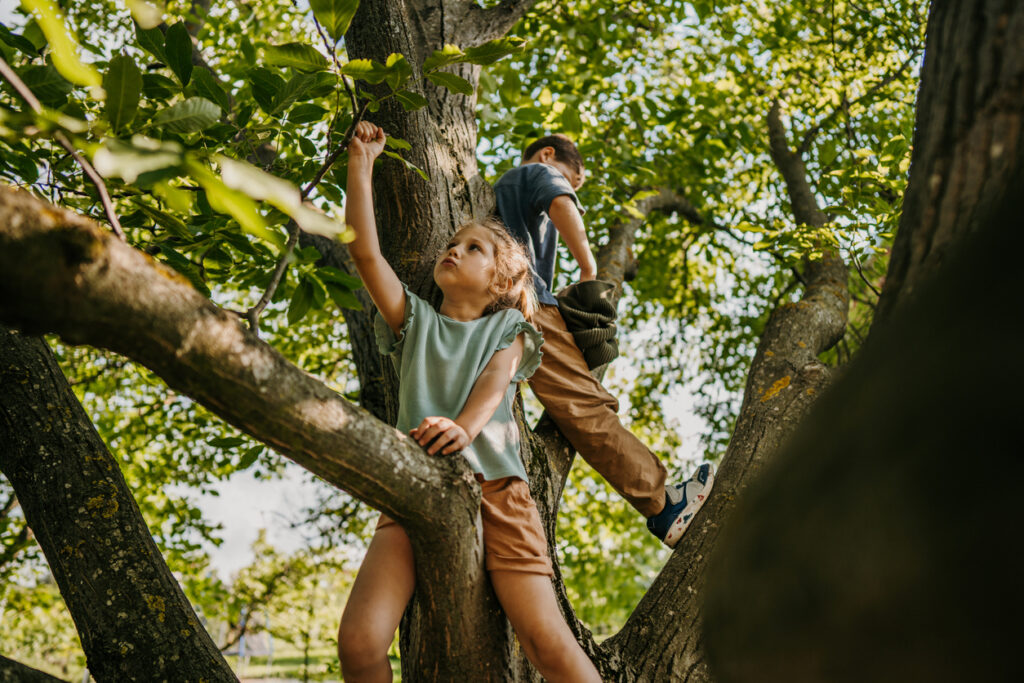
- Climbing in nature – rocks, trees, steep slopes
- Digging in the garden, sand-pit, at the beach
Craft and Creativity
- Painting, drawing
- Cutting with scissors
- Beading
- Finger knitting
Skills that Support Early Reading
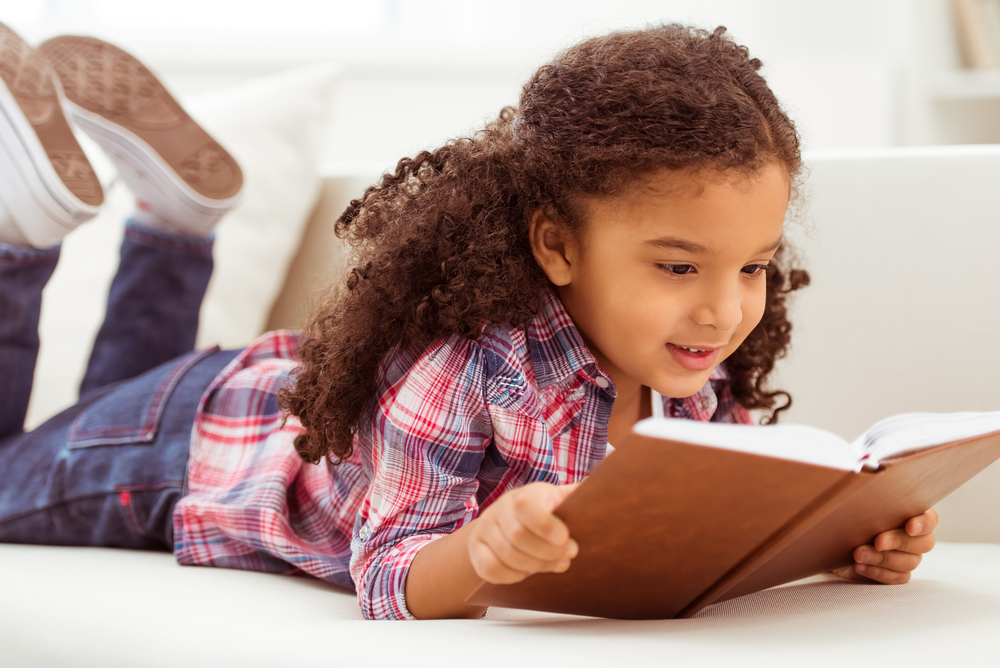
Reading is generally introduced in the first year of school.
Signs that your child is ready to read include the ability to:
- Sit still for a length of time, keeping their body in an upright position, with both feet flat on the floor
- Focus and pay attention.
- Recognise symbols for letters and numbers.
- Bring their eyes together to focus on a single point
- Move their eyes together smoothly to follow a moving target
- Emotionally self-regulate
- Connect socially
- Listen to understand
- Follow spoken instructions
- Balance while sitting still
Children who Struggle with Learning to Read
- A poorly developed sense of the space around them
- Trouble with visual processing, such as moving their eyes together to follow a moving target
- Trouble maintaining balance when sitting or standing still
- Retained midlines, poor awareness of left and right sides of their body
- Difficulty sitting still in a chair, sitting upright with their feet on the ground
- Poor muscle tone and slumped posture
- Awkward pencil grip
- Difficulty listening, or processing sound
- Poor memory
- Become easily stressed, quickly going into a flight/fight response
It’s Never too Late
Fortunately, it’s never too late to help your child, but is is much easier when they are younger, before secondary issues such as poor self esteem, anxiety, anger and frustration start to creep in.
If you’re wondering whether your child is ready for school, or have concerns about their development, you’re not alone. Many parents find themselves questioning whether their child has the skills and confidence they need for this next step.
Sometimes, understanding the foundations beneath learning can help us see where a child may need a little extra support before difficulties begin to affect their confidence and enjoyment of learning.
Your counsellor’s role is to listen and offer support. Many parenting issues can be addressed through building closer connections based on empathy and understanding.
It is also a good idea to talk to your child’s teacher about how you can work together to help your child get off to the best start in school. Not all behavioural challenges mean that your child needs a diagnosis.

Download our FREE e-book Tips for Raising Happy, Healthy Children