Does the thought of home schooling terrify you? You’re probably not alone.
I would like to share with you some of the positive experiences I had as a home schooling parent and offer some tips to help make it an enjoyable time for you and your children.
Make it Fun
Make it fun. This is your opportunity to spend quality time with your children. Don’t waste it.
If you’re feeling anxious, breathe – acknowledge your feelings, and be gentle with yourself – it’s going to be OK and you can do this (see my article on anxiety). I openly admit to totally lacking confidence when I started home schooling.
The absolute bonus was that during the process we became best friends. We now have a close connection and a beautiful relationship, which I don’t think would have happened otherwise. My only regret is that I didn’t start sooner.
Educating at home doesn’t have to imitate a schoolroom, or classroom style of learning. It’s important to remember that you are your child’s parent, not their school teacher. I home schooled my daughter for three years, and here are some of things I learnt in the process.
Set a Routine
- Children thrive on a regular routine. We started the day with a walk outside. This was a special time to chat, relax, use up some energy and a lovely way to greet the day.
- Lessons at home take a fraction of the time that is needed to cover the same amount of material in a classroom.
- Be creative. Who said maths had to be boring? Did anyone say times tables had to be learnt by doing sums? We often did them rhythmically, chanting and tossing a ball or bean bag to each other, stepping and counting in twos, threes, etc. – challenging ourselves but also connecting and forming a shared bond.
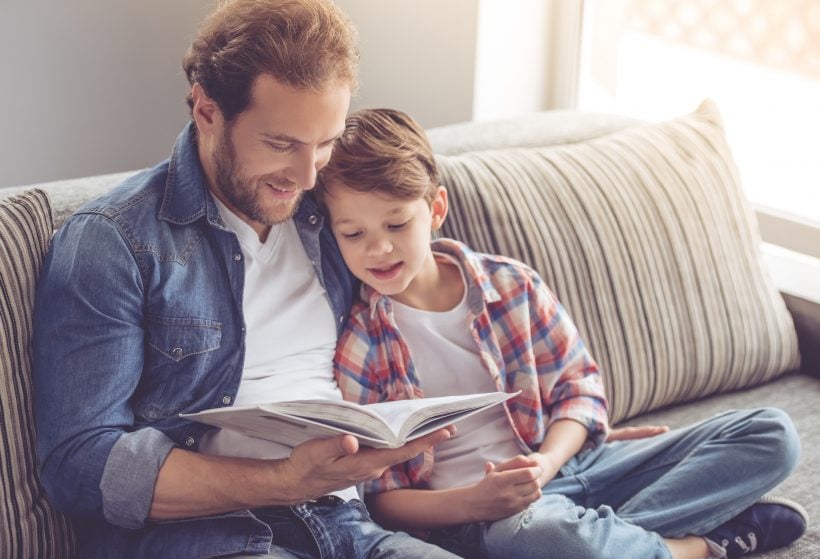
- Reading. No sight words here. I would read a story to her, then together we would recall the content of the story. Then I would write a short sentence, which she copied, and read back to me. I remember her joy when she realised, through this process, that “I can read”.
We could talk about the words and sounds, and she was invited to express her thoughts creatively, often by drawing, but sometimes, using clay of play dough. You could even try acting out some of the scenes and characters from the story.
Free, imaginative Play
Free, imaginative play was an important part of our day. This simple process helps to develop life skills such as concentration, communication, planning and problem solving.
Did you know that doing puzzles and playing board games can help support your child’s early development and classroom learning?
Some games you might like to try include:
- Chinese checkers – it wasn’t long before she was beating me, learning to plan moves, think ahead, and developing spatial awareness.
- Jig saw puzzles are a great way to support left/right integration, an essential stage of development for learning to read. We worked together, chatting as we went, as she improved her spatial awareness and memory skills.
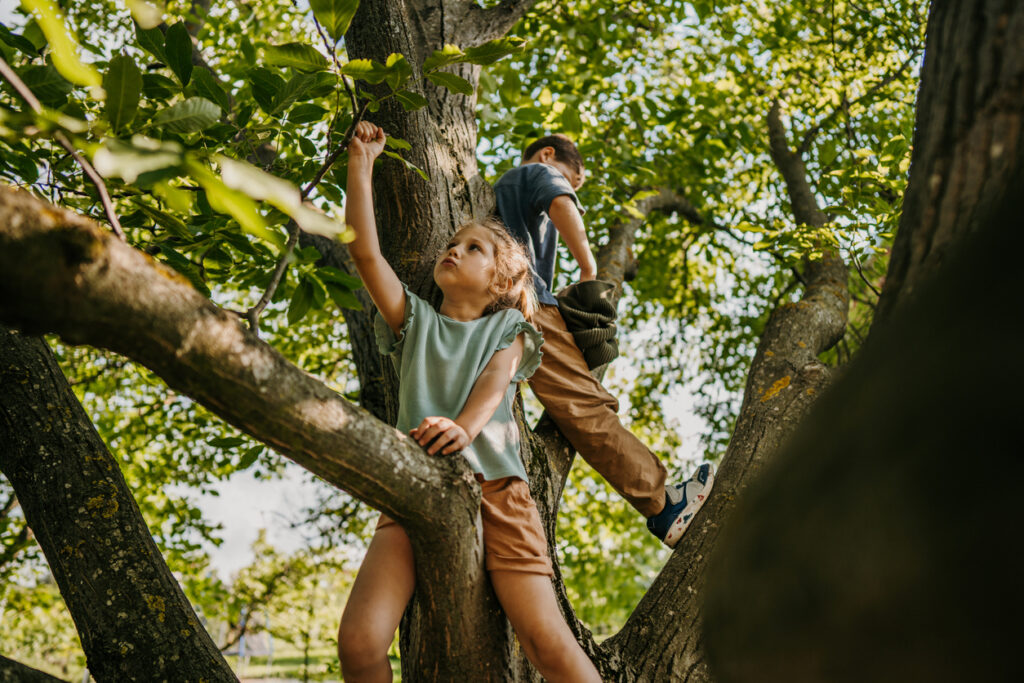
- Walk along a balance beam or fallen log helps to develop a sense of balance, another essential skill for learning to read (being able to sit still and maintain concentration) .
- Throwing and catching a ball helps to develop hand-eye coordination, essential for learning to write neatly.
- Draughts also develops spatial awareness, planning moves, and the life skill of taking turns.
- Handwork, such as playdough and clay modelling, crafts, origami help to build fine motor skills, gaining the necessary strength in hand and finger muscles that is essential for handwriting
Supporting Learning and Behaviour
These are just a few of the activities I have been doing since 2005 with children with learning and behavioural challenges, with excellent results and very positive parent feedback. Children usually gained several years ahead of their peers in reading levels over a 12 month period when sessions were supported by an individualised home developmental exercise program.
I urge you to enjoy this time with your children. They are only young for such a short time, and you only have a limited window of opportunity to build close and lasting relationships.
I can’t promise you that it will be easy, but it can definitely be rewarding. Please relax, have fun and enjoy the moment.
My daughter has kindly allowed me to share some of her feedback on the experience.
“I loved that we could take our time on things I was interested in, and could move quickly through things that didn’t work for me“. She also liked that “it was quiet” and she felt “I was made to feel important and listened to”.
If I could do it, you can too.
Download our FREE e-book Tips for Raising Happy, Healthy Children