Bullying can wound us both physically and emotionally.
It is a behaviour that is deliberately intended to cause harm, and takes place within some form of personal relationship.
It is not OK.
What is Bullying?
“Bullying is when someone (or a group of people) with more power than you, repeatedly and intentionally uses negative words and/or actions against you, which causes you distress and risks your wellbeing” – National Council Against Bullying (Aust)
Bullying, then comes from an imbalance in power. It may take the form of criticism, contempt, or exclusion, with the intention of hurting another person – emotionally, physically or both.
Forms of Bullying
Bullying can show up in different ways:
Physical
- Harming your body or posessions
- Tripping, hitting, pushing,
- Damaging your belongings
Emotional/Verbal
Using words to hurt:
- Name calling
- Teasing or taunting
- Ridicule or put-downs
- Yelling or verbal abuse
Social
Harming relationships:
- Spreading lies, rumours
- Exclusion from groups
- “Losing” friends suddenly,
- Mean jokes at someone else’s expense
Cyber
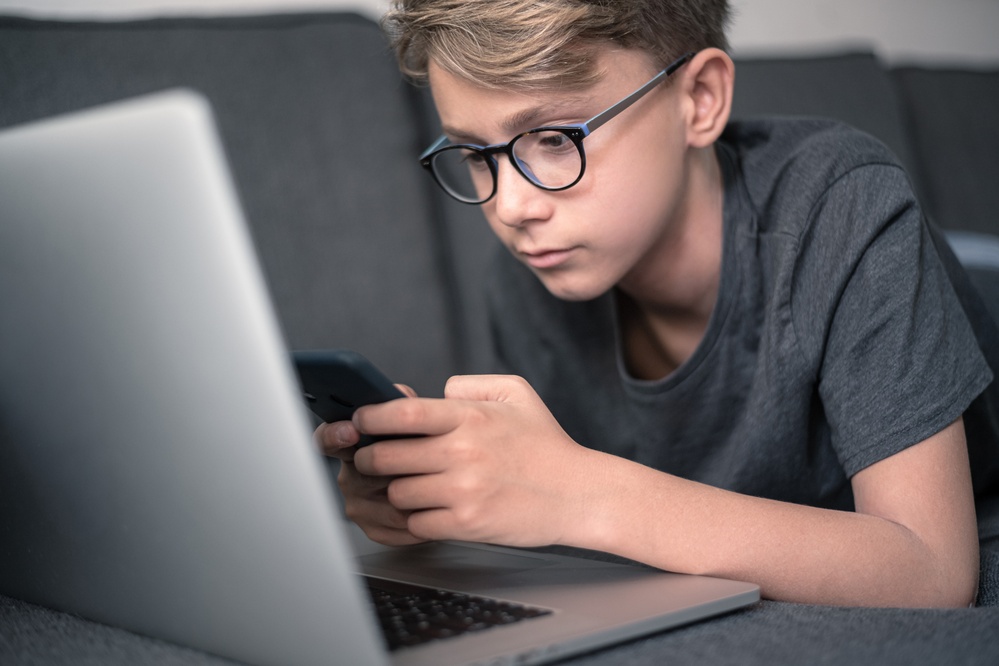
bullying through technology:
- Hurtful messages or emails
- Sharing embarrassing images,
- Online exclusion,
- Threatening or abusive texts
Signs Your Child Might be Experiencing Bullying
If you become aware of changes in your child’s behaviour, such as increasing withdrawal, or “misbehaving”, and acting out, it’s important to share your concerns. These behaviours are bringing us a message, and bullying could be the cause.
You might notice:
- Unexplained bruising or physical injuries
- Nightmares or difficulty sleeping
- Damaged or missing belongings
- Avoiding school or other activities
- Unusual anger, aggression, emotional outbursts
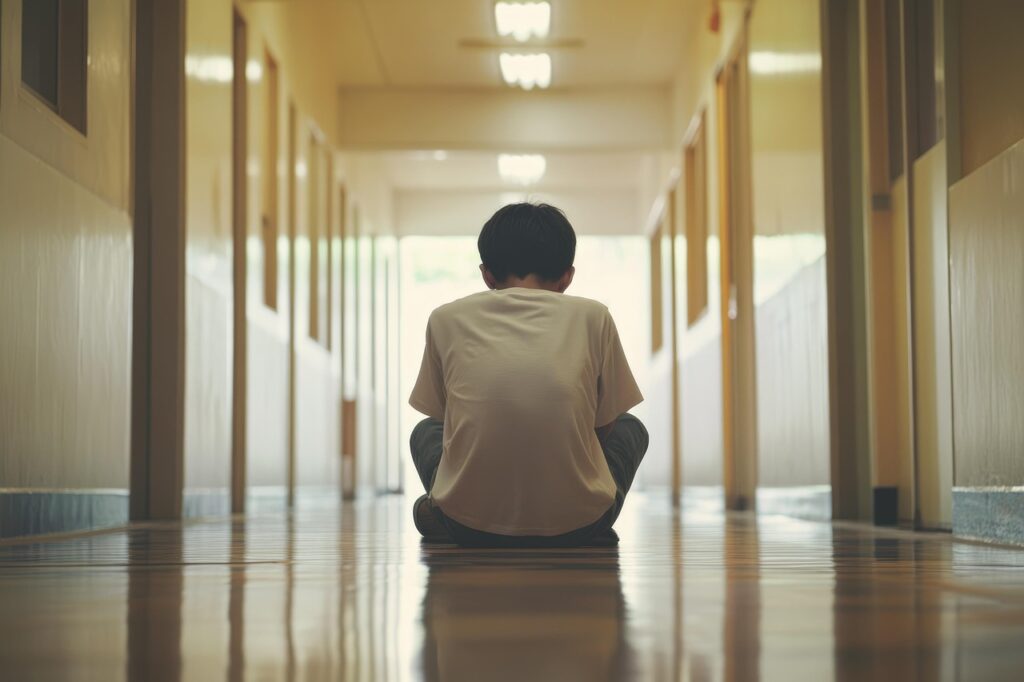
- Becoming withdrawn or secretive
- Few or no friends, avoids social occasions
- Frequent complaints of feeling sick, headaches or tummy aches
How You Can Support Your child
“Studies show that parental involvement is crucial in reducing bullying” – Dawn Menken
The most important place to begin is at home.
A stable, nurturing environment helps children feel safe, supported, and more able to navigate challenges in their relationships.
Parents and carers have a key role in helping our children learn how to recognise bullying, and safely respond when they experience it, either towards themselves, or others.
You might consider:
- Talking openly about bullying
Bring it into everyday conversation—at the dinner table or in the car - Helping your child recognise bullying
So they can respond early, before it escalates - Creating a safe, supportive home environment
Where your child feels seen, heard, and accepted - Focusing on connection and relationship
Strong relationships help protect children from both being bullied and bullying others - Listening without judgement
Allow your child’s perspective to be heard and valued - Supporting a healthy sense of self
Recognise their strengths and help them build confidence - Role modelling empathy and respect
Children learn how to relate by watching us - Helping children name their feelings
Words like hurt, angry, excluded, or safe help build emotional awareness - Talking about teasing
Helping children understand that it’s not “funny” if it hurts someone - Repairing relationship ruptures
Showing that conflict can be worked through safely
Questions to Reflect On
- How do you use power in your home?
- Do your children feel respected and heard?
- Are you supporting their individuality and sense of self?
- Do you model respect toward others, including those who are different?
- Are you open to listening, even when you disagree?
When we feel threatened, we often react automatically,- through anger, withdrawal or dismissal.
These moments can become key opportunities for learning.
When a child speaks to you in a way that feels hurtful, you might ask yourself:
- Can I respond calmly rather than reacting by defending yourself, or withdrawing?
- Can I name my feelings honestly?
- Can I help my child understand the impact of their words?
When to Seek Additional Support
You are the advocate for your child.
If you’re noticing sudden and ongoing changes in your child’s behaviour, or feel concerned about bullying, it’s important to take those signs seriously.
- Speak with your child’s school if the issue involves other students
- Talk to coaches or activity leaders if it occurs outside school
- Seek support early—before things escalate
If your child’s experience is bringing up your own past experiences, this is also very natural.
You don’t have to hold that alone.
Counselling and parent coaching , often combined with individual child counselling offers a supportive space to:
- Understand what your child is experiencing
- Respond in a way that feels calm and confident
- Explore any deeper patterns that may be present
A Gentle Next Step
If you’re worried about your child, or unsure how to support them through bullying, you’re not alone.
With the right support, healing can happen—both for your child and for your family.
A Wider Perspective
Looking at the bigger picture, addressing bullying also means shifting peer culture. Children who feel disconnected or disempowered may seek a sense of control in relationships.
Rather than simply excluding those who bully, it can help to understand what may be driving their behaviour.
Real change happens through connection, understanding, and safe relationships.
As Gabor Maté reminds us:
“Children who feel loved and appreciated will neither bully others nor accept being bullied themselves.”
When children feel safe and secure in their relationships, they develop a strong sense of self.They know they have a safe place to return to when the going gets tough—and that makes all the difference.
Support Services (Austalia)
- Suicidal thoughts – call Lifeline 13 11 14
- Kids Helpline 1800 551 800 – for 5 to 25 year olds
You Might Find These Helpful
- Understanding bullying – gentle support for parents and children
- Signs Your Child Might be Experiencing Bullying
References
- Mate, G. There is a Cure for Bullying
- Menken, D. (2013). Raising Parents, Raising Kids. Belly Song Press. Santa Fe.