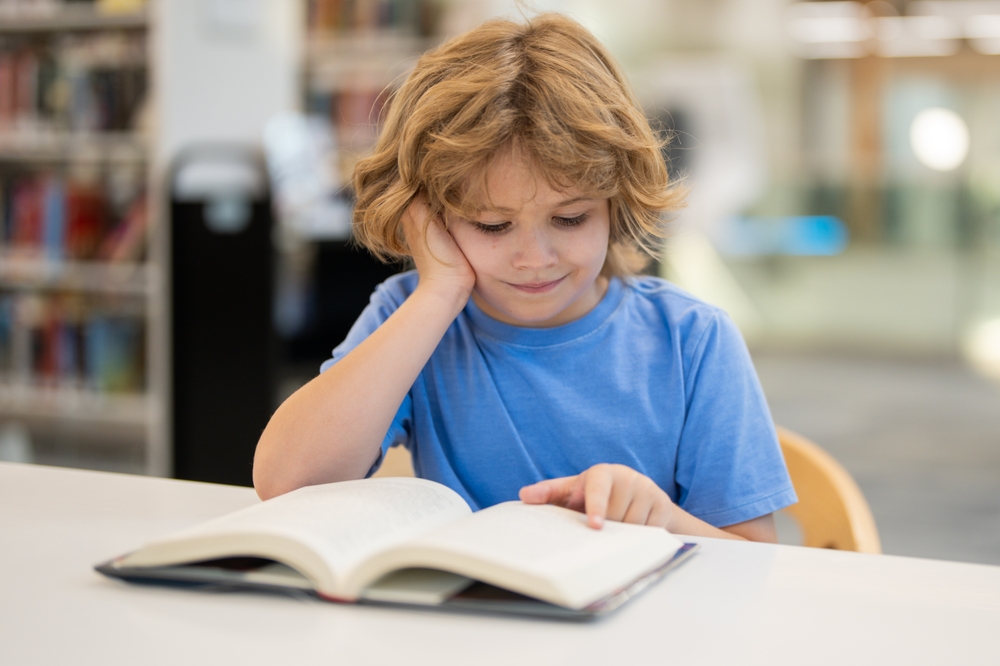
It’s normal for parents to worry when their child seems to be falling behind at school, particularly with reading, writing and spelling.
Perhaps you are wondering
- “Does my child have dyslexia?”
- “Should I have my child assessed for dyslexia?”
What is Dyslexia?
Children described as being dyslexic have normal intelligence, and have received standard reading instruction, but for a number of reasons, struggle with learning to read in a classroom.
Will a Diagnosis help?
The short answer is “maybe”.
What are the pros and cons of a diagnosis?
Put simply, a diagnosis is a collection of symptoms that fall into a particular category. This can be used to help your child to receive specialised support.
However, you might like to weigh up your options before having your child’s learning difficulties diagnosed
Pros and cons of a dyslexia diagnosis Dyslexia – Is a Diagnosis the Whole Story?
Can a diagnosis really benefit your child?
A diagnosis can be helpful for some families, but it doesn’t have to be your only option.
You may prefer a more holistic approach, focussing on understanding and supporting the bigger picture of your child as individual.
Possible Benefits
A diagnosis of Dyslexia:
- Can offer peace of mind for parents.
- Can help with understanding by putting a label on your child’s learning difficulties.
- Your child may receive some individual classroom support and the school may receive funding for this.
- Parents often choose more intense tutoring outside of school
- May not address the underlying cause of your child’s struggle
However, having a diagnosis can block pathways to further understanding.
Things to Consider
While a diagnosis can bring relief and understanding, it is important not to lose sight of the whole child.
Children are much more than a diagnosis. They have their own strengths, interests, gifts and unique ways of experiencing the world.
Whatever labels may or may not be applied, your child remains the same wonderful person they were before the assessment.
- It can be easy to focus on the diagnosis and lose sight of the whole child.
- Some children may begin to define themselves by the label.
- A diagnosis does not explain everything about your child or their unique strengths.
- Assessment can be expensive, time-consuming, and difficult to access in some areas.
- A diagnosis identifies a difficulty, but may not explain what support will be most helpful.
- There is a risk of damage to self esteem, with your child taking on a belief that there is something wrong with them.
- A child with Dyslexia may see this diagnosis as a part of them, part of their personality, losing sight of their gifts and positive attributes.
Your Child is a Unique and Gifted Individual
The many fine qualities that your child brings to the world can become obscured by a diagnosis. Removing the label, it’s easier to see your child for the unique and gifted individual that they really are.
It’s easy to get caught up in their struggles, and we miss seeing their gifts.
An holistic approach to addressing dyslexia sees your child’s struggles as part of a bigger picture. Your child is part of a family story, community, environment and life in today’s world.
More than Just Reading
I suggest an alternative view, based on addressing the root cause, looking for what lies beneath the behaviour.
Research indicates that children with a diagnosis of dyslexia may also struggle with other aspects of classroom learning including:
- maths
- spelling
- written expression
- memory
- handwriting
- social skills
- physical coordination
- emotional development
- anxiety
What is this telling us?
Could the children, through their behaviour be saying:
“I don’t feel safe enough to learn? ” or
“When I feel safe, I can sit still, focus and concentrate better”.
Child Development
Learning is built on many foundations, including feeling safe, sensory processing, movement, balance, coordination, listening and visual skills.
Research shows that symptoms of dyslexia are often linked to foundations of early sensory and motor development
The first step in healing to help your child to feel safe in the world. We can’t learn when we are feeling unsafe, pressured or threatened.
Child development is a bit like a tower of Jenga blocks – if the blocks at the base are not firm, the rest of the tower will become unsteady.
Your child’s early development is a bit like this. Strong foundations build in infancy and early childhood will support your child’s learning in the classroom. At the base is helping your child to feel safe and nurtured.
Before training as a counsellor and psychotherapist, I worked as a development practitioner for many years. During this time, I experienced many changes in the children I worked with – with and without a diagnosis.
The good news is that it is not always necessary to have a diagnosis to seek help. It is never too late to reach out.
If you’re worried, you’re welcome to give me a call. Often just talking to someone who understands, and has been through similar experiences, can help.
You are not alone.
These Might Help
 Looking Beyond a Diagnosis – when your child is struggling at school
Why Children Need to Feel Safe to Learn
Supporting Your Child with Reading Difficulties and Dyslexia