We often think learning begins when our child starts school, but babies are learning from the moment they are born … and even before.
Learning is about much more than reading, writing and academic success. Every day, children are taking in information, making connections, developing new skills and learning about themselves and the world around them, often without realising it.
There is a lot we can do to help our children get off to a good start in life – building the foundations to support lifelong learning.
Before children can thrive in the classroom, they need strong foundations of early development. When we understand this, we can better support children to realise their potential.
Learning develops naturally in a pre-determined sequence, and cannot be rushed, no matter how much we might wish it!
The first step is feeling safe and nurtured with caring adults.
 Why Children Need to Feel Safe to Learn
Like a Tower of Blocks
Think of a tower of Jenga blocks – if the lower levels are unstable, and we keep trying to add more blocks to the top, the tower will eventually fall.
Learning develops in much the same way. When the foundations are strong, they support everything that comes later – reading, writing, attention, friendships, physical skills, confidence and emotional wellbeing.
If the foundations are unstable, your child will likely struggle with more complex learning as they progress through school.
The good news is that these early stages of development are built through everyday activities – movement, play and feeling safe in close relationships.
Some of the most important learning happens without us even realising it.
Explore Further
Movement, Play and Early Learning
The foundations for learning begin long before children enter the classroom. Movement, play, connection and everyday experiences all help build the skills that support later learning.
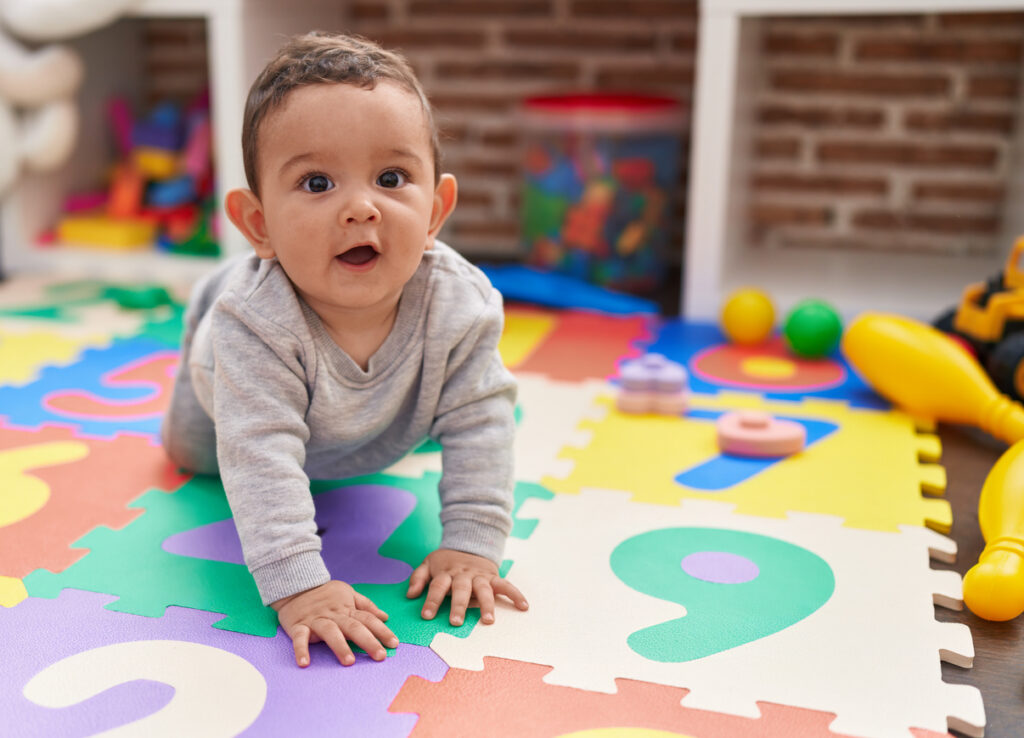
All that time spent on the floor … while it may look like your baby is “just” playing, or not really doing anything – they are listening, watching, balancing, developing strength and coordination …
Preparing your child for school starts with lots of free play and feeling safe in the world.
Learning Begins Long Before School
Sensory and motor skills develop naturally in stages, and your child’s body knows exactly what to do. All they need is a safe place to explore their world, your companionship, love and support.
The Hidden Skills that Support Learning
Babies often object to tummy time, but it really is important foundation for later crawling and walking. You can help by making it a special time for closeness and connection.
While it may look like children are “just playing” there is so much essential learning happening naturally below the surface. Learning communication, creativity, emotional expression, problem solving, developing imagination and taking turns all happen naturally through play.
Games and activities that you can do together to develop creativity, imagination, sensory development, body awareness and coordination. Your child will love being with you and having fun at the same time.
How to Support Your Child’s Early Learning Through Play
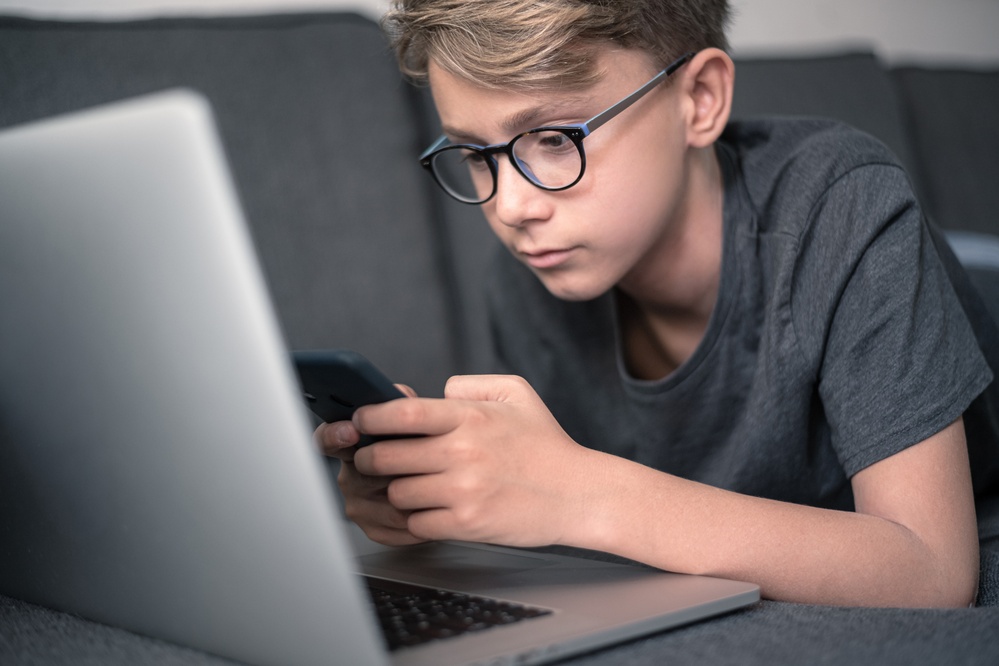
Screens are a part of everyday life for most of us. The trick is keeping them in balance, and not letting them take over our lives. Your child will love having time for lots of free play, and will enjoy sharing this time with you.
Screen Time, Babies and Toddlers: What Parents Need to Know
Primitive reflexes, when retained, are often at the very foundation of those difficult behaviours, emotional outbursts, and learning challenges. you can help your child to inhibit them naturally through floor play and tummy time.
What are Primitive Reflexes – could they be affecting my child’s Learning?
School Readiness
As children approach school age, the foundations they have been building through play and movement begin to support more formal learning, including attention, listening, reading and classroom participation.
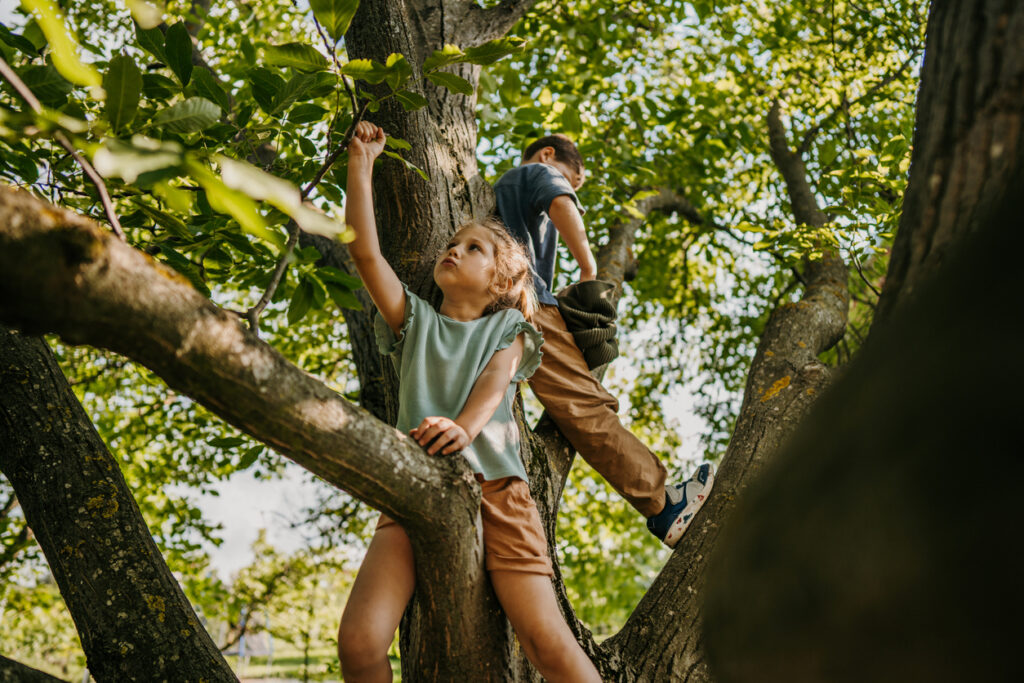
Reading well is more than just a matter of trying harder. You can help your child with activities like painting, drawing and craft, as well as lots of outdoor play, and quiet time reading stories together.
Developmental Readiness for Reading
Starting school is an exciting time. Games and other playful activities will help your child build the skills they will need for learning such as reading.
We learn through our senses, and strong foundations in vision, balance and listening will help your child to sit still and focus in the classroom.
Foundations for Learning: Vision, Balance, Listening
Need Some Support?
Of course, if you are concerned, or would like to learn more about how to help your child’s early learning, you’re welcome to give me a call.
Identifying and addressing developmental gaps early on can support your child’s learning and emotional well-being throughout life.