It can be worrying when learning at school feels hard for your child —especially when other children seem to be moving ahead more easily.
You know they are trying just as hard as their classmates, but learning just seems so difficult.
You might find yourself wondering:
“Is this normal?”
“Am I missing something?”
“Why is this so hard for them?”
You’re not alone in feeling this way.
Every Child Learns Differently
Children don’t all learn in the same way, or at the same pace.
Some children find certain areas—like reading, writing, or spelling—more challenging.
This is sometimes described as a learning difficulty, often described as dyslexia.
This doesn’t mean your child isn’t capable or intelligent.
It simply means they may need a different kind of support.
There are many ways of helping a child learn to read and write.
What Dyslexia Can Look Like
Dyslexia often shows up as difficulty with reading, writing and spelling.
You might notice your child:
- reversing letters
- struggling to recognise small parts of words
- skipping lines
- jumping across lines of print
- struggling with red, watery eyes when trying to read
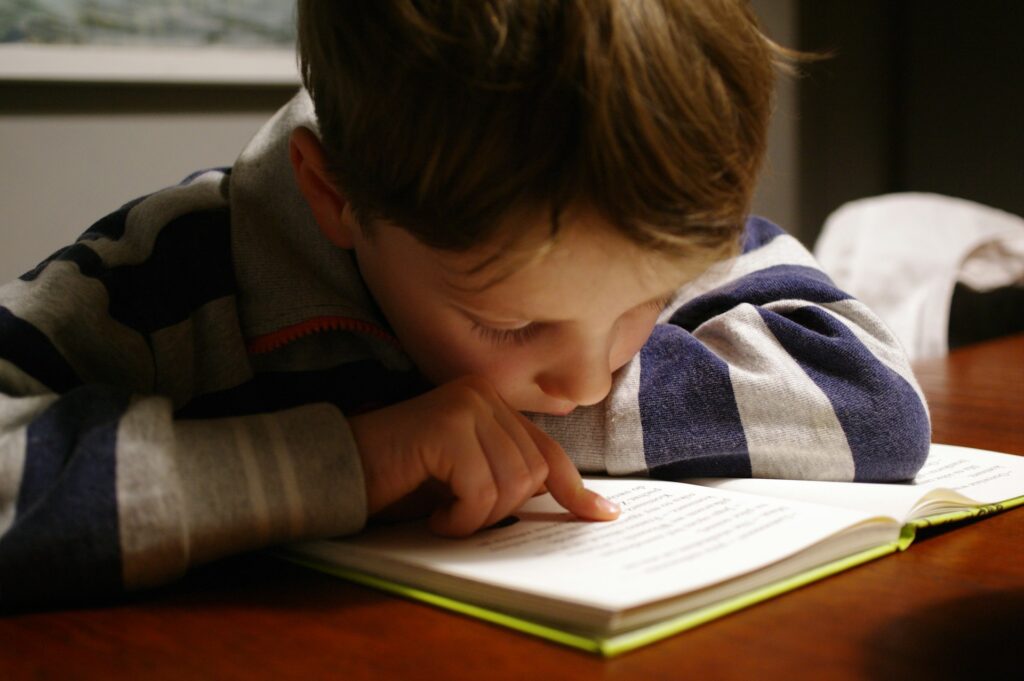
- avoiding reading altogether
- becoming easily frustrated or upset
- giving up, saying it’s too hard
- becoming aware that others are moving ahead of them
- losing confidence and self esteem
Over time, this can affect confidence and self-esteem as well as learning.
It’s Not Just About Reading
When learning at school feels hard, children may also feel:
- overwhelmed
- anxious about school
- “not good enough”
- reluctant to try
- restless and frustrated
You’ll notice these feelings in their behaviour, which is often how children communicate when they don’t have the words.
Helping your child learn to recognise and understand these feelings is just as important as classroom learning.
How You Can Support Your Child
The most important place to begin is with understanding and connection, lettng your child know that you support them.
You might:
- acknowledge the effort your child is making
- focus on their strengths and interests
- keep learning experiences calm and pressure-free
Gentle, slow and steady support can make a big difference over time.
There’s no rush with learning – children will learn at their own pace, often in their own way.
There are many ways of helping a child learn to read.
When to Seek Support
If your child is continuing to struggle, it can help to look a little more closely at what’s going on.
Extra tutoring is not the only way to help.
Often the solution lies in an holistic approach, looking beyond their struggle, to identify and address underlying issues.
An assessment can offer:
- understanding the “why” beneath your child’s difficulties
- identifying and addressing underlying issues
A Gentle Next Step
If you’re feeling unsure or concerned, you don’t have to navigate this alone.
Counselling and parent coaching offers support and understanding for both you and your child.
Working together we can explore what’s happening for your child—developing both their learning and their emotional wellbeing.
Learning differences are often linked to early development and readiness for school.
An holistic approach can adress these underlying issues, supporting lifelong learning – not just tomorrow in the classroom.