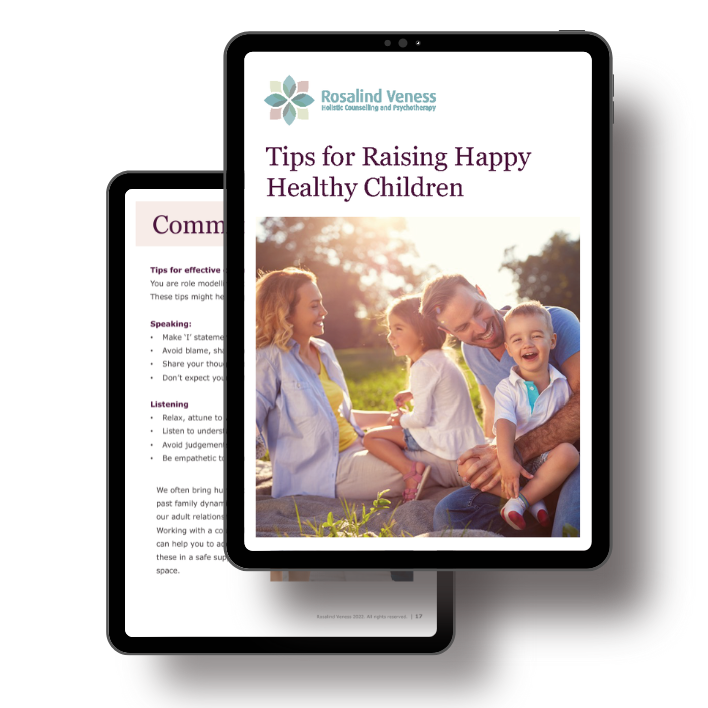

An Holistic Guide for Parents
If your child is restless, impulsive, or struggling to focus, you may be wondering if they could have ADHD.
You might be noticing:
- difficulty concentrating
- constant movement or fidgeting
- big emotional reactions
- struggles at school
- challenges with listening or following instructions
It can feel confusing—and at times overwhelming.
You’re not alone.
Looking Beyond Behaviour
ADHD is often described as a disorder of attention and behaviour.
Dr Gabor Mate , in his book Scattered Minds, suggests links to early development, inherited family stress, and living in a stressed society.
From an holistic perspective, we can also understand ADHD as a collection of behaviours—often pointing to something deeper.
When we look beneath the surface, we may find:
- sensory overwhelm
- emotional stress
- developmental differences
- nervous system sensitivity
Understanding this can change how we respond.
What You Might Be Seeing
Children with ADHD-type behaviours may:
- struggle to focus or stay on task
- be easily distracted
- find it difficult to sit still
- act impulsively
- have strong emotional reactions
And yet, they may also be capable of intense focus on things they enjoy.
This can feel confusing—but it often reflects how their nervous system is working.
Where to Begin
You don’t need to figure everything out at once.
Start with what feels closest to your experience:
Difficulty Focusing
 Why does my Child Struggle to Focus at School?
Restlessness and Movement
Why is my Child so Fidgety and Restless?
Understanding ADHD More Deeply
Does My Child have ADHD? A Gentle holistic Perspective for Parents
Is ADHD a Behaviour Problem, or Something Deeper?
Emotional Overwhelm
Why your Child Falls apart after School (and seems fine during the day)
Why Can’t My Child Pay Attention When they’re Anxious?
After School Meltdowns and School Refusal: Understanding and Supporting your Child
Supporting Focus and Attention
Could Diet Affect Your Child’s Ability to Focus and Pay Attention?
Can Nature help your Child Focus and Feel Calmer?
Is Screen Time Affecting Your Child’s Focus and Learning?
It’s Not Just About Attention
Attention is closely linked to:
- emotional regulation
- sensory processing – visual, listening and balance
- feeling safe in the environment
- early development
When a child feels overwhelmed, their ability to focus and regulate their emotions decreases.
An holistic Approach
My work is grounded in the understanding that:
- behaviour is a form of communication
- children need to feel safe before they can learn
- connection supports regulation and attention
When we support the underlying needs, behaviour often begins to shift naturally.
Supporting You as a Parent
Living with a restless or impulsive child can be exhausting.
You don’t have to do this alone.
Support for parents can make a meaningful difference—not only for your child, but for your whole family.
When Parenting Feels Overwhelming – small ways to care for yourself
Holistic Counselling can Help
If you’re feeling concerned or unsure, you’re welcome to reach out.
Together, we can explore what may be happening for your child—and find practical, gentle ways forward.
Take Your Time
You might like to begin with one article that speaks to your current experience.
Small steps can lead to meaningful change.
You’re in the right place.
You know your child is trying hard and doing their best at school, but sometimes underlying reasons are getting in the way. Perhaps this will help?