Does your child seem constantly on the move?
You might notice:
- fidgeting, tapping, or wriggling
- difficulty sitting still
- always needing to move
It can feel exhausting—and sometimes worrying.
Movement Is Not the Problem
For many children, movement is actually helping them cope.
When a child is feeling overwhelmed or overstimulated, their body may seek movement as a way to regulate.
This can look like restlessness—but it often has a purpose.
What Might Be Going On
Children who are fidgety or restless may be:
- trying to manage sensory input
- feeling overwhelmed in their environment
- struggling to stay regulated
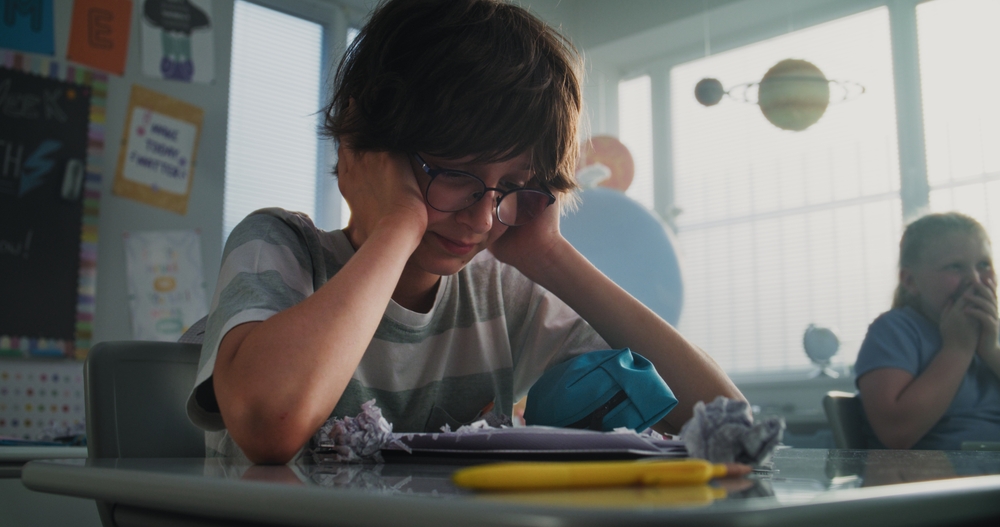
In a busy classroom or structured setting, this can become more noticeable.
When It Becomes Difficult
You might start to feel concerned if your child:
- finds friendships difficult
- is constantly in trouble at school
- becomes frustrated or upset
- struggles to participate in everyday activities
These are signs that your child may need extra support.
A Different Way of Seeing Behaviour
Instead of asking:
“How do I stop this behaviour?”
You might gently ask:
“What is my child needing right now?”
“What might this behaviour be telling me?“
This shift can change how we respond.
Experience shows strong links to early development and the sense of balance.
While your child may have good balance when moving – running or riding a bike –
It is their static balance, or ability to sit still that is a common trait in children with a diagnosis of ADHD.
A Gentle Next Step
If your child’s restlessness is becoming a concern, it can help to explore what may be sitting beneath it.
With understanding and support, children can learn to regulate their bodies more easily.
Looking at your child’s sense of balance can help.
If you are feeling exhausted and overwhelmed, I offer a safe, non-judgemental space, where you can feel free to share your concerns.
You’re welcome to reach out when you are ready.
You Might Also Find Helpful
 Listening, Learning and Auditory Processing in Children