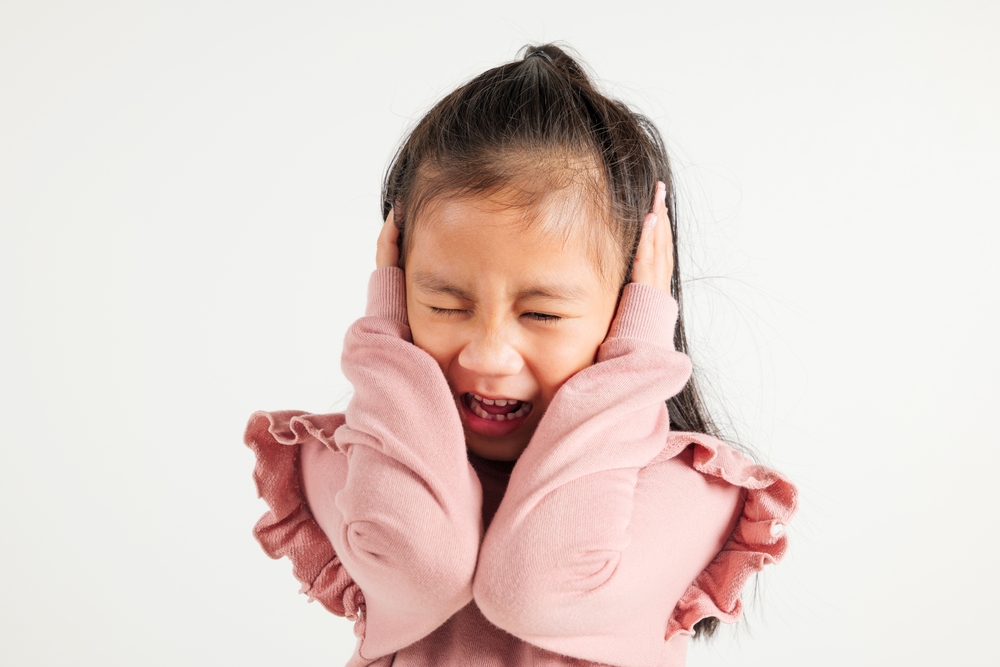
If your child seems anxious, overwhelmed, or easily upset, you’re not alone.
Many children experience anxiety at different stages of development.
What Anxiety Can Look Like
Anxiety can show up in different ways.
You might notice:
- meltdowns or emotional outbursts
- tummy aches or headaches
- difficulty sleeping
- resistance to school
- clinginess or withdrawal
- teeth grinding or jaw clenching
- chewing on things (clothes, pens, pencils)
- foot tapping
- talking, singing, humming
- restlessness
- constantly on alert
Many of these actions are the body’s way of trying to release the tension, and come back to a state of safety and calm.
Why It Happens
Anxiety is part of the body’s natural response to feeling unsafe, and is often linked to worries about the future.
When this happens, your child’s nervous system goes into a state of high alert.
This makes it harder for them to:
- focus
- listen
- sit still
- use their words
- connect
- learn
A Different Way of Understanding
Living with an anxious child can be worrying for parents .
You might be wondering:
- “Why is my child being so difficult?”
We could also ask:
- “Could my child be feeling stressed or overwhelmed?”
How You Can Help
There’s no harm in reaching out for help if you feel you are struggling.
Understanding what’s happening beneath the surface of their behaviour can make a big difference.
 Anxiety in Children: Understanding What Your child may be Feeling
It Doesn’t Have to be This Hard.
We live in a world that can create anxiety in us all. Simply the pressure and busyness of everyday life can feel stressful.
Sometimes, addressing our own frustrations and emotional responses is the best way to help our children.
It often helps to talk to someone who understands what is happening for both you and your child.
Holistic counselling and parenting support offers a safe, non-judgemental space where you can feel supported and understood in sharing your concerns about your child.
Your counselling session is a time to escape from that busyness, making time for yourself, time to breathe and let go of any tension you are carrying.
If this sounds like you, I would like to help.
You may also find helpful:
How to Help your Child with After School Meltdowns