Understanding What Might Be Going On for Your Child
Many parents find themselves wondering what’s really going on for their child.
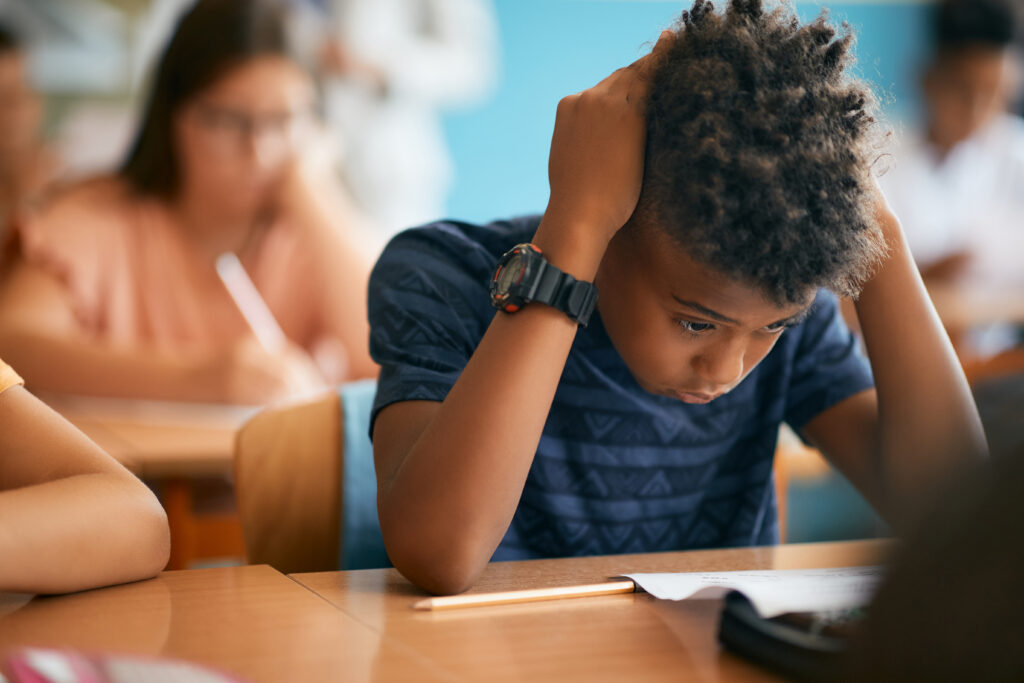
If your child is struggling at school, you may be wondering:
- Is this anxiety?
- Could it be ADHD?
- Is it dyslexia?
- Do they have a learning difficulty?
- Is it all of them – or even something else?
Trying to make sense of this can feel confusing and overwhelming.
You’re not alone.
Why It Can Be Hard to Tell
Many of these challenges can look very similar on the surface
What we see is the behaviour—but underneath, there may be something else going on.
You might notice:
- difficulty focusing
- impulsive behaviour
- trouble following instructions
- emotional outbursts or meltdowns
- struggles with reading or writing
- anxiety about going to school
These behaviours can fit into more than one category.
Looking Beneath the Labels
Rather than focusing only on labels or diagnoses, it can help to look more closely at what your child might be experiencing.
Your child may be:
- feeling overwhelmed
- struggling to process information
- feeling out of balance, uncoordinated
- finding the classroom environment challenging
When this happens, learning and behaviour are both affected.
Read more:
How Anxiety Affects Learning and Behaviour
Anxiety is a natural response to feeling unsafe or overwhelmed.
In children, it may look like:
- meltdowns or emotional outbursts
- tummy aches or headaches
- clinginess or withdrawal
- school refusal
 Anxiety in Children: Understanding What Your child may be Feeling
When a child feels anxious:
- their nervous system goes on high alert
- their ability to focus is reduced
- learning becomes much harder
This can sometimes look like ADHD or a learning difficulty, such as dyslexia.
ADHD and Attention
When children struggle with attention, it can sometimes be described as ADHD.
You might notice:
- difficulty sitting still
- distractibility
- impulsive behaviour
- trouble following instructions
But it’s important to remember:
These behaviours may also be linked to overwhelm, stress, or developmental factors.
Understanding ADHD, Attention and Behaviour in Children
How Learning Difficulties Can Affect Behaviour
When learning feels difficult, children may:
- become frustrated
- lose confidence in themselves
- act out or become withdrawn
- simply give up trying
They may also:
- avoid tasks
- become easily distracted
- avoid going to school
- annoy siblings
- struggle with friendships
Looking at the Bigger Picture
Children who struggle with focus and attention may look like they have symptoms of ADHD.
- find it hard to stay focused
- become easily distracted
- struggle to sit still
- appear restless and fidgetty
- have trouble listening
- become disruptive in class
But attention is also affected by:
- anxiety
- sensory processing – vision, balance and listening
- underlying foundations of early development
Everything Is Connected
Rather than being separate issues, these challenges are often connected.
Looking at the bigger picture can help you better understand your child’s experience.
A Different Way of Asking the Question
Instead of wondering:
“Does my child need a diagnosis?”
We might also ask:
“What is making things difficult for my child right now?”
“What is their behaviour telling me?”
Where to Start
Understanding the foundations for learning can be a helpful first step.
Foundations for Learning: Vision, Balance and Listening
You may also find these articles helpful:
Understanding ADHD, Attention and Behaviour in Children
Why Can’t My Child Pay Attention When they’re Anxious?
Why Children Need to Feel Safe to Learn
A Gentle Next Step
If your child is struggling, it can help to talk things through.
You don’t need to have all the answers. Holistic counselling offers a non-judgemental space where you can feel seen and understood.
Reach out when you feel ready.