Many children struggle to learn in a traditional classroom.
Some begin to avoid school, miss days, or even refuse to attend altogether. Over time, the experience can become so overwhelming that they simply give up.
These behaviours are not random. They are bringing us a message.
Rather than focusing only on what we see on the surface, we can begin to ask:
- “What might this child be trying to tell us?*
Sometimes the message may be:
- “School doesn’t feel like the right place for me right now.”
Classrooms Can Feel Stressful
Classrooms can be busy, demanding environments.
For many children—especially those who are sensitive or easily overwhelmed—this can create a constant feeling of being in imminent danger. Even though we know they are safe, their nervous systems can be giving them a different message.
In over 20 years of working with children, I have only met one child who actually enjoyed school. Many described it as stressful, often saying they hated it.
If you’re child is struggling to fit in at school, they are not alone.
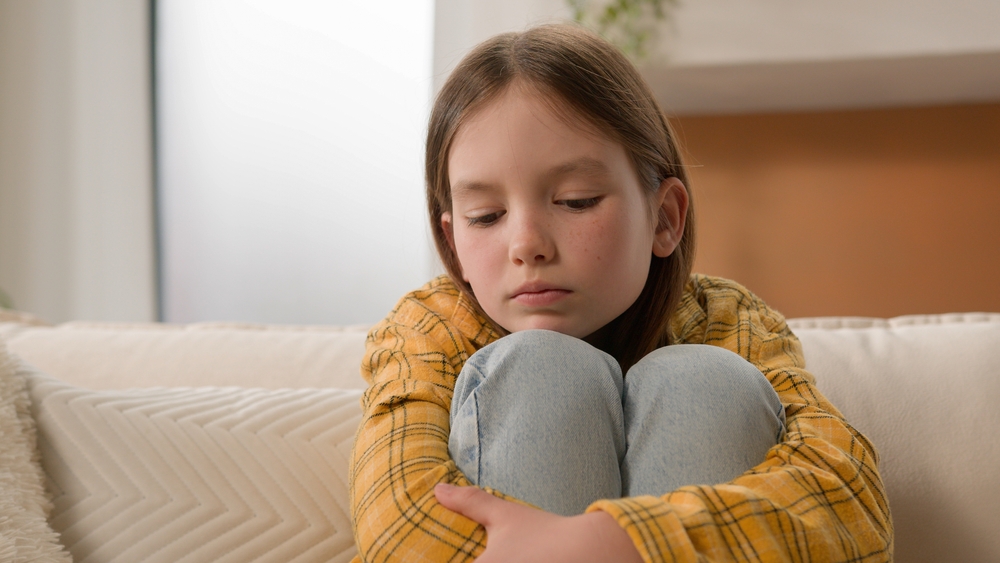
When they can’t find the words, children often speak with their bodies, refusing to attend, or having a meltdown when they come home after school.
When a child feels trapped or under pressure, their body may automatically respond with feelings of:
- anxiety
- agitation
- stress
When this happens, learning, whether at home or in the classroom becomes very difficult. Feeling constantly on alert, their nervous systems struggle to take in and process information.
We Need to Feel Safe to Learn
Learning is not just about intelligence or effort.
Learning happens best when a child feels safe:
- their body relaxes
- they find it easier to focus
- they are open to learning
- their senses are open to taking in and processing information
When they don’t feel safe:
- their nervous system goes on high alert
- they may become anxious, restless or withdrawn
In these times, learning becomes much harder.
Even if the classroom appears safe to us, a child’s nervous system may be telling them a different story.
A Personal Reflection
As a parent, I found being in a school environment surprisingly difficult.
It brought back memories of sitting in a classroom, trying to remain invisible—hoping not to be called on to answer a question – as my attention drifted to the world outside the window.
I have always loved learning, but school itself did not feel like a safe or comfortable place for me.
I remember the headaches and tummy aches in the morning before school.
On reflection, this has led me to wonder:
- “What is the school experience like for today’s children?”
- “Through their behaviours, what is it that they are communicating?”
A “One Size Fits All” Approach
Traditional education often assumes that all children are developmentally ready to start school when they reach a certain age.
In reality, children develop at different rates.
When a child is not developmentally ready for the demands of the classroom, they may experience:
- delays in learning
- challenging behaviours
- poor self esteeem
as they struggle to keep up with their classmates,
Often, they have no idea why they are falling behind.
Read more:
 Learning is More than Just Trying Harder
Understanding the Nervous System
We need to feel safe to learn
When we feel safe our senses are opneen to learning.
Our bodies are constantly scanning the environment for signs of safety or threat.
When a child feels safe, they are calm, connected and ready to learn.
When their nervous system perceives a threat, their body may react as though they are in danger.
Although we know they are safe, their bodies are bringing them a different message.
This is not a conscious choice—it is automatic.
Different States of the Nervous System
Happy and Connected
When a child feels safe and connected, they are:
- calm
- emotionally balanced
- socially engaged
- able to reach out for help if necessary
In this state they are open to learning and connecting to others.
When they feel threatened or overwhelmed, they may become:
(Fight or Flight)
- hyper-vigilant
- anxious, irritated
- impulsive, restless
- confused by social cues
Shutdown (Withdrawal)
- numb
- alone, withdrawn
- disconnected
In these states, learning becomes extremely difficult.
Why This Matters in the Classroom
A child who is feeling overwhelmed is not in a good position for learning.
They may:
- struggle to concentrate
- misread social cues
- react emotionally
- withdraw completely
- appear overly sensitive
- act out or become disruptive
What we see as behaviour is often just on the surface.
Underneath is a nervous system that is trying to cope.
Read more:
Looking at the Bigger Picture
Rather than seeing the behaviour as a problem to be “fixed”, instead of asking:
- “What’s wrong with this student?“
We can ask
- “How can I help this child to feel safe?”
This shift in perspective, from traditional discipline, to being empathic and nurturing, can change everything.
How You Can Support Your Child
Small changes can make a meaningful difference.
You might try:
- creating calm, predictable routines
- minimising sudden changes
- allowing time to decompress after school
- providing space for outdoor play
- helping them recognise how they are feeling
- offer empathy and understanding
Feeling seen, heard and understood all helps to bring their nervous system back to a sense of calm and safety.
Supporting Yourself
When your child is struggling, it can feel overwhelming.
Looking after your own wellbeing is an important part of supporting your child.
Simple practices such as:
- slowing your breathing
- spending time in nature
- physical activity
- connecting socially with others
can help you feel more grounded—and this helps your child too.
You Don’t Have to Work This Out Alone
If your child is struggling at school, support is available.
Understanding what sits beneath their behaviour is a powerful first step.
Sometimes, it just helps to talk to someone who “gets you”.
Often, it is the work we do on ourselves that makes the biggest difference.
Children’s behaviours can change “like magic” when we work on our own emotional history.
When we feel more calm and connected ourselves, it’s easier to tune into what our children might be experiencing.
Maybe, like me, your memories of life in the classroom are disturbing and unsettling. If your child’s struggles are touching on your own experiences, counselling can help.
These Might Help
Foundations for Learning: Vision, Balance and Listening
Anxiety in Children: Understanding What Your child may be Feeling
Building the Foundations for Learning
If you’re feeling stuck or confused, and would like support in understanding your child, I would be very happy to help.