
Why Your Child May Struggle to Sit Still, Focus or Read
Did you know your child’s sense of balance plays an important role in learning?
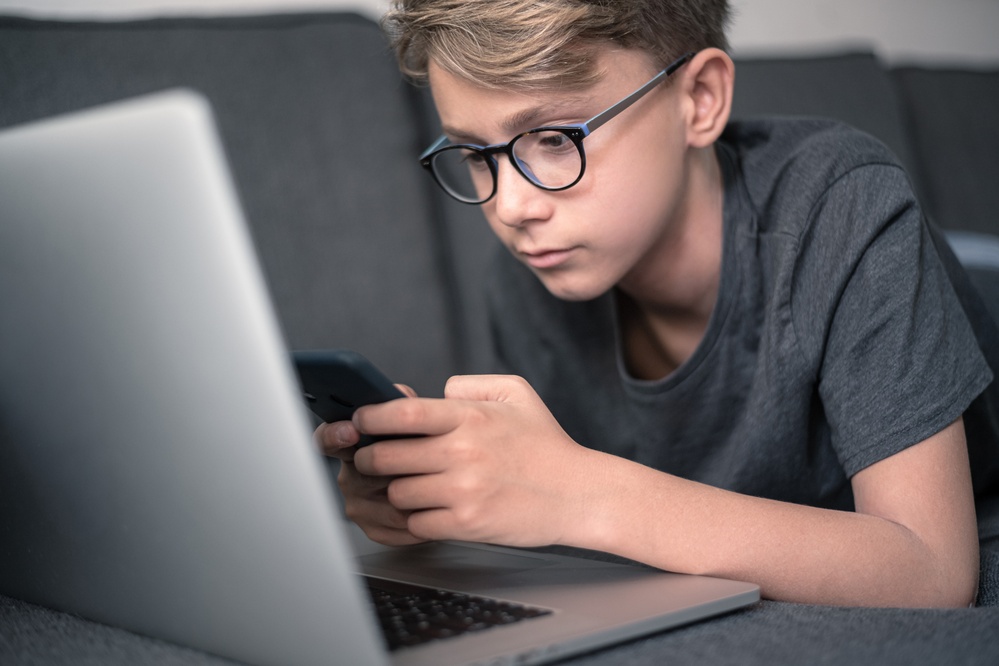
When we think about balance, we often think about riding a bike, climbing or running without falling over. But balance is also important when your child is sitting quietly at a desk, reading, writing and listening in the classroom.
A child may appear physically coordinated and still find it difficult to maintain a comfortable, stable position while sitting.
What You Might Be Noticing
You might notice that your child:
struggles to sit still or fidgets constantly
wriggles or leans heavily on their chair
tires easily when reading or writing
finds it difficult to concentrate
seems restless or distracted
bumps into things or appears clumsy
becomes restless, talkative or disruptive.
These behaviours can have many different causes. Sometimes it is worth looking beyond what we see on the surface and asking what might be happening for your child. The clues are often hidden in your child’s early development.
What Is Our Sense of Balance?
Our sense of balance, or vestibular system, is located in the inner ear and begins developing before birth.
It helps us know where our body is in space and helps us maintain our posture and orientation as we move through the world.
It also works closely with other sensory systems, including vision and hearing.
Together, these systems help us take in information, orient ourselves, maintain our position and respond to what is happening around us.
Why Does Balance Matter for Learning?
Think about everything a child needs to do while sitting in a classroom.
They need to maintain an upright posture, keep their eyes focused, listen to the teacher, take in new information and make sense of what they are seeing and hearing.
If maintaining a stable position requires a lot of effort, there may be less energy available for the task of learning.
This may be one reason why some children move constantly, fidget or change position. Movement may be helping them feel more organised and comfortable.
Rather than seeing movement simply as “bad behaviour”, we can become curious about what the child may be trying to achieve through it. Children often need to move in order to concentrate and focus.
Balance, Vision and Reading
Balance is closely connected with visual processing and coordination.
When children are reading, they need to move their eyes smoothly across the page, keep their place and coordinate what they see with the movements of their body and hands.
Some children may:
lose their place when reading
skip lines
tire easily during reading or writing
find it difficult to keep their eyes focused on the page
struggle with hand-eye coordination.
These signs don’t tell us what is wrong with a child. They can simply provide clues about areas of development that may be worth exploring.
Balance and Feeling Settled
Our physical experience can also influence how settled we feel.
When a child’s sensory and movement systems are working together effectively, they may find it easier to orient themselves and respond to the environment around them.
For a child who already finds a busy classroom overwhelming, difficulties with balance, vision or listening may add another layer of challenge. You might notice they find it more difficult to regulate their emotions, becoming more likely to either act out or shut down.
This is why I like to look at the whole child rather than focusing on one behaviour or symptom in isolation.
How Does Balance Develop?
Balance begins developing before birth and continues through infancy and childhood.
Everyday movement and play provide opportunities for children to develop these foundations:
tummy time and floor play
rolling and crawling
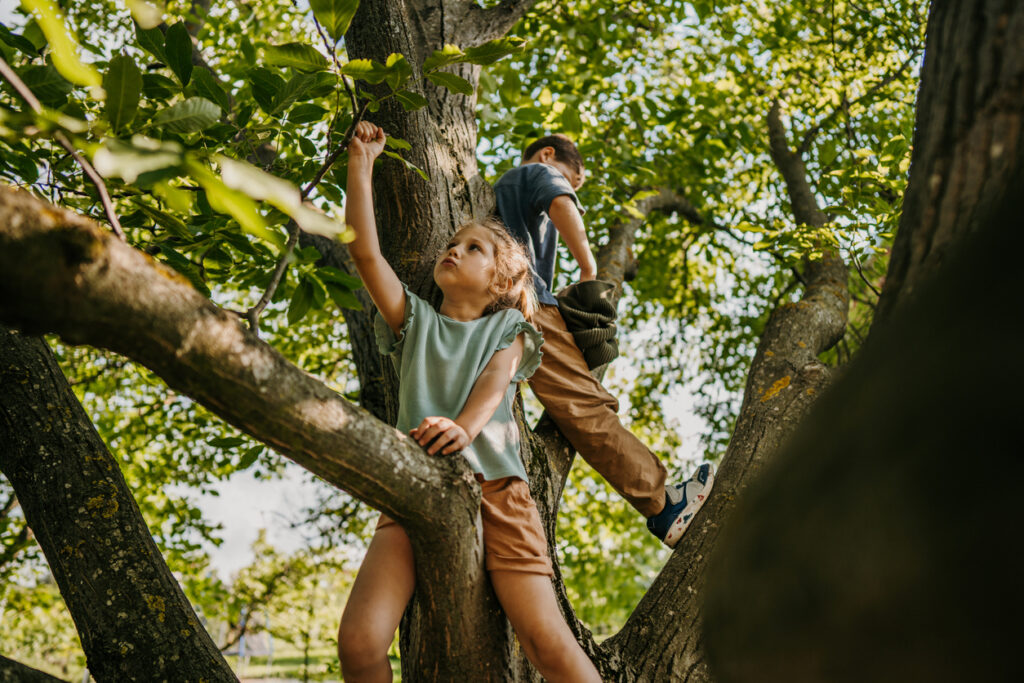
climbing
swinging and bouncing
jumping, hopping and skipping
dancing
balancing
riding bikes and scooters
playing throwing and catching games.
Play is not just play. It is one of the ways children develop the physical foundations they need for learning and participation.

How Can You Support Your Child?
You don’t need to turn movement into another task or therapy program.
Children naturally know what they need. All you have to do is to follow their interests and keep movement playful – and have fun!
Climbing, dancing, balancing, riding a bike, playing with a ball or simply spending time moving outdoors can all provide rich opportunities for development.
And if your child is struggling, remember that movement may sometimes be their way of helping themselves feel more organised.
Looking Beneath the Surface
Rather than asking only:
- “Why can’t my child sit still?”
we might also ask:
- “Is my child finding it difficult to feel settled and organise their body?”
This doesn’t give us all the answers, but it can open up another way of understanding what we are seeing.
Balance is one part of a much bigger picture — connected with vision, listening, movement, emotional regulation, relationships and a child’s sense of safety.
A Gentle Next Step
If your child is struggling with focus, learning or behaviour, it can help to look beyond the surface and become curious about what might be happening for them.
If you’d like to explore what might be happening for your child, you’re welcome to get in touch.